Review Article
Aeromonas veronii as an Emerging Aquatic Pathogen: Ecology, Genomics, Virulence, Host–Pathogen Interactions, Antimicrobial Resistance and Sustainable Control Strategies 

 Author Correspondence author
International Journal of Aquaculture, 2026, Vol. 16, No. 6
Received: 05 Oct., 2026 Accepted: 03 Nov., 2026 Published: 26 Nov., 2026
Aeromonas veronii is a Gram-negative, motile bacterium widely distributed in aquatic environments and increasingly recognized as an important pathogen of freshwater fish and an opportunistic pathogen of humans. Its occurrence in aquaculture systems is associated with septicemia, ulcerative disease, systemic infections, and mortality, particularly under intensive culture conditions. The pathogenicity of A. veronii is multifactorial and involves a complex array of mechanisms associated with adhesion, motility, biofilm formation, quorum sensing, iron acquisition, secretion systems, toxin production, and modulation of host immune responses. Increasing genomic evidence indicates substantial genetic diversity within the species, with considerable variation in virulence-associated traits and antimicrobial-resistance determinants among isolates from different hosts and geographical regions. Antimicrobial resistance has emerged as an important concern in A. veronii, particularly in aquaculture environments where repeated antimicrobial exposure may contribute to the selection and dissemination of resistant populations. The ability of this bacterium to persist in aquatic environments, acquire adaptive traits, and infect diverse hosts further increases its epidemiological significance. Accurate identification is also important because phenotypic characteristics may overlap among closely related Aeromonas species, highlighting the value of molecular and genomic approaches for reliable characterization. This review provides an integrated overview of the ecology, epidemiology, taxonomy, genomic characteristics, virulence mechanisms, host-pathogen interactions, disease manifestations, antimicrobial resistance, molecular diagnostics, and available control strategies associated with A. veronii. Particular emphasis is placed on emerging approaches, including vaccination, probiotics, immunostimulants, bacteriophages, phytochemicals, functional feeds, anti-biofilm strategies and anti-virulence interventions. The review also considers the broader implications of A. veronii from a One Health perspective and identifies current knowledge gaps and future research priorities for improved disease surveillance, antimicrobial stewardship and sustainable management of infections in aquaculture.
1 Introduction
The genus Aeromonas comprises Gram-negative, facultatively anaerobic bacteria that are widely distributed in freshwater and other aquatic environments. Members of the genus are increasingly recognized as important bacterial pathogens in aquaculture, where infections can result in septicemia, ulcerative lesions, tissue damage, and mortality in susceptible fish. Motile Aeromonas species, including Aeromonas hydrophila, A. veronii, A. caviae, A. jandaei, A. sobria, A. bestiarum, A. dhakensis, and A. schubertii, have been associated with disease outbreaks in cultured fish and other aquatic animals (Dien et al., 2023). The widespread occurrence of these bacteria in aquatic environments, together with their capacity to persist under diverse environmental conditions, makes motile Aeromonas infections an important constraint to the health and productivity of aquaculture systems.
Among the motile Aeromonas species, A. veronii has emerged as an important pathogen because of its broad ecological distribution, diverse host range, and capacity to cause severe disease. The bacterium occurs predominantly in aquatic environments and has been recovered from freshwater habitats, fish farms, aquatic animals, and other environmental sources. In fish, A. veronii has been associated with septicemia, hemorrhagic lesions, ulceration, and systemic disease, with infections reported in several economically important species. Its pathogenic importance is not restricted to aquaculture, as the organism has also been associated with human gastrointestinal and extraintestinal infections, making it relevant to both veterinary and public health (Liu et al., 2022; Maia et al., 2023).
The ecological versatility of A. veronii is important for understanding its epidemiology. Aquaculture systems provide opportunities for bacterial persistence because fish, water, sediment, organic matter and equipment form interconnected components of the microbial environment. Temperature, water quality, stocking density, nutrition and host condition may influence colonization and infection. Disease should therefore be understood as an interaction among pathogen, host and environment rather than as a consequence of bacterial presence in culture water alone (Dien et al., 2023). A. veronii has been recovered from diseased fish and aquaculture-associated environments, supporting the value of environmental surveillance (Devi et al., 2024).
The pathogenicity of A. veronii is multifactorial and depends on a complex collection of bacterial attributes that facilitate attachment, colonization, tissue invasion, and persistence within the host. Important virulence-associated characteristics include motility, adhesion, biofilm formation, secretion systems, extracellular enzymes, hemolysins, aerolysin, cytotoxic proteins, iron-acquisition systems, and mechanisms involved in evasion or modulation of host immune responses. Experimental studies in fish have demonstrated the presence of multiple virulence genes, including genes associated with hemolysins, aerolysin, proteases, adhesins, and other pathogenicity-related functions (Youssef et al., 2023). The simultaneous occurrence of several virulence determinants suggests that disease severity may arise from the combined activity of multiple bacterial systems rather than from an individual toxin or gene.
Comparative genomic investigations have provided further evidence for substantial variation in the virulence potential of A. veronii. Analysis of 41 genomes identified numerous genes associated with adhesion, secretion, iron acquisition, immune evasion, antiphagocytosis and toxin production. Conserved components of type I and type II secretion systems, type IV pili, and flagellar systems were identified across the analyzed genomes. In contrast, type III, type V and type VI secretion systems displayed greater variability (Tekedar et al., 2019). Genome sequencing of fish-associated strains has similarly identified genes encoding aerolysin, RtxA, secretion systems, adherence and motility, together with several antimicrobial-resistance determinants (Das et al., 2021). These findings indicate that differences in the genetic composition of individual isolates may contribute to variation in pathogenicity and disease outcome.
Genomic diversity within A. veronii is also evident from comparative analyses of strains originating from different hosts and geographical locations. Song et al. (2021) analyzed 39 A. veronii strains from diverse sources and identified a conserved core genome containing 1,993 genes, while also demonstrating differences in virulence-associated characteristics among strains. Importantly, the study found no clear relationship between genetic relatedness and geographical origin, whereas some associations were observed between host source and virulence-factor distribution (Song et al., 2021). These observations suggest that host-associated selection and genetic adaptation may contribute to the diversification of A. veronii populations.
Human-associated A. veronii isolates provide additional evidence of the species' genomic diversity and pathogenic potential. Liu et al. (2022) analyzed newly sequenced strains obtained from patients with gastrointestinal disease together with globally available genomes. Numerous putative virulence factors were identified, including aerolysin, microbial collagenase, and multiple hemolysins. The study also identified a type III secretion system located within a genomic island and provided evidence that this region may have been acquired through horizontal gene transfer from other Aeromonas species (Liu et al., 2022). Such findings demonstrate that horizontal acquisition of genetic material may contribute to the evolution of virulence-associated traits within the species.
The expanding availability of whole-genome data has also revealed important challenges in the taxonomic identification of A. veronii. Closely related Aeromonas species may share phenotypic and biochemical characteristics, potentially resulting in inaccurate species assignments when identification relies exclusively on conventional methods. Comparative genomic analysis of isolates from fish, environmental sources, and humans demonstrated that some genomes deposited in public databases as A. veronii were subsequently found to be misclassified based on genome-level comparisons. The use of average nucleotide identity and other genomic approaches was therefore recommended for more reliable species-level assignment (Maia et al., 2023). Antimicrobial resistance represents another major challenge associated with A. veronii. The use of antimicrobial agents in intensive aquaculture can impose selection pressure on bacterial populations, potentially favoring resistant strains and facilitating the persistence of resistance determinants within aquatic production systems. Genomic studies have identified resistance mechanisms involving antibiotic efflux, enzymatic inactivation, and modification of antimicrobial targets in A. veronii (Tekedar et al., 2019). Genome sequencing of fish-pathogenic A. veronii strains has similarly identified genes associated with antibiotic inactivation, target-site alteration, and efflux mechanisms, together with multiple virulence-associated systems.
The One Health relevance of A. veronii has become increasingly apparent as resistance and virulence determinants have been detected among isolates from aquatic animals, environmental sources and humans. Maia et al. (2023) identified extensive virulence-associated and resistance-associated gene repertoires among globally distributed genomes, including determinants associated with clinically important resistance mechanisms. The coexistence of these characteristics in isolates from different ecological sources highlights the potential for ecological connectivity and genetic exchange across environmental, animal, and human compartments.
Disease management has traditionally relied heavily on antimicrobial therapy; however, increasing antimicrobial resistance and concerns regarding antimicrobial residues have stimulated interest in alternative control approaches. Vaccination has been investigated as a preventive strategy, with studies examining virulence-associated antigens and both live and inactivated vaccine approaches against A. veronii in important cultured fish such as Nile tilapia (Youssef et al., 2023). In parallel, non-antibiotic approaches including probiotics, immunostimulants, functional feeds, bacteriophages and other biological interventions are receiving increasing attention as components of sustainable aquaculture disease management (Dien et al., 2023). Natural products and phytochemicals also represent promising areas for future intervention because they may provide antibacterial, antibiofilm, or immunomodulatory effects while reducing dependence on conventional antibiotics. However, evidence for many alternative approaches remains heterogeneous, and differences in experimental design, pathogen strain, fish species, treatment dose, and route of administration make direct comparison difficult. Therefore, future research should move beyond simple in vitro inhibition studies and establish the efficacy, safety, pharmacokinetics, and reproducibility of promising interventions under controlled and farm-level conditions. Recent work in crucian carp has also reported enhanced mucosal immune responses and protection following combined probiotic and recombinant immunization against A. veronii (Yang et al., 2025).
Despite substantial progress in understanding A. veronii, important questions remain concerning the relationships among environmental persistence, genomic variation, virulence expression, host susceptibility, and antimicrobial resistance. The mechanisms by which environmental stressors influence virulence and transmission require further investigation, while the contribution of mobile genetic elements to dissemination of resistance and virulence determinants warrants greater genomic and epidemiological attention. Therefore, a comprehensive understanding of A. veronii requires integration of microbiology, genomics, molecular epidemiology, pathology, immunology, antimicrobial-resistance research, and aquaculture management. The present review examines these interconnected aspects, with particular emphasis on ecology and epidemiology, genomic diversity, virulence mechanisms, host-pathogen interactions, disease development, antimicrobial resistance, molecular diagnostics and emerging control strategies.
2 Taxonomy, Nomenclature and Biological Characteristics of Aeromonas veronii
Aeromonas veronii belongs to the genus Aeromonas, family Aeromonadaceae, order Aeromonadales and class Gammaproteobacteria. The species was formally described by Hickman-Brenner et al. in 1987 as a new ornithine decarboxylase-positive Aeromonas species that may cause diarrhea. The type strain is ATCC 35624 (Hickman-Brenner et al., 1987). Current taxonomic databases place the species within the lineage Bacteria-Pseudomonadota-Gammaproteobacteria-Aeromonadales-Aeromonadaceae-Aeromonas-A. veronii (Schoch et al., 2020). The taxonomic history of A. veronii has been complicated by the use of different names and phenotypic groupings. Historically, isolates now assigned to A. veronii were associated with hybridization groups and phenotypically defined taxa. Subsequent DNA-DNA hybridization and molecular studies demonstrated that Aeromonas ichthiosmia is conspecific with A. veronii, while other historical names have also been associated with closely related taxonomic groups (Huys et al., 2001). These historical designations remain relevant when interpreting older literature and sequence databases because publications may describe organisms now recognized as A. veronii under earlier taxonomic names.
A. veronii has traditionally been divided phenotypically into two biovars, biovar veronii and biovar sobria. The two biovars have historically been differentiated using biochemical characteristics, although their close genetic relationship makes discrimination based solely on conventional phenotypic methods difficult (Janda and Abbott, 2010). The difficulty in distinguishing closely related Aeromonas species has important implications for epidemiological and clinical studies. Conventional biochemical identification systems may incorrectly assign uncommon Aeromonas species to more frequently encountered taxa, particularly within closely related groups. Consequently, molecular methods have increasingly become important for reliable species-level identification. The application of genomic approaches has provided substantially improved resolution of A. veronii taxonomy. Whole-genome comparisons, particularly average nucleotide identity (ANI), can distinguish closely related species more accurately than phenotypic characteristics alone. Maia et al. (2023) demonstrated that several genomes previously assigned to A. veronii were incorrectly classified when reassessed using genome-level comparisons, emphasizing the importance of ANI and related approaches.
Morphologically, A. veronii is a Gram-negative, rod-shaped bacterium that generally occurs as individual cells or short arrangements. The organism is typically motile by means of polar flagella, may also express lateral flagella under appropriate conditions, and is capable of growth under both aerobic and facultatively anaerobic conditions. Like other members of the genus, it is non-spore-forming and possesses a Gram-negative cell envelope consisting of an inner cytoplasmic membrane, periplasmic space, and outer membrane. The organism displays physiological characteristics that contribute to its ecological versatility. A. veronii can occur in freshwater environments and has been isolated from water, sediment, aquatic animals, and aquaculture-associated environments. Its ability to survive outside the host is particularly important because environmental populations can serve as reservoirs from which susceptible fish may become exposed.
A notable biological characteristic of A. veronii is its ability to express multiple surface-associated structures involved in motility and host colonization. Flagella contribute not only to movement but also to chemotaxis, attachment, and biofilm development. Comparative genomic studies have identified conserved genes associated with flagellar assembly and type IV pili among numerous A. veronii genomes, supporting the importance of these systems in species biology (Tekedar et al., 2019).
Another important characteristic is the capacity of A. veronii to form biofilms. Biofilm formation enables bacterial populations to establish structured communities attached to biotic or abiotic surfaces and can enhance persistence under unfavorable environmental conditions. In aquaculture systems, biofilm-associated populations may occur on tank surfaces, equipment, sediments, and other interfaces, potentially contributing to environmental persistence and recurrent exposure of fish. At the genomic level, A. veronii exhibits considerable diversity. Comparative analysis of 41 genomes demonstrated an open pangenome consisting of a conserved core genome together with a large accessory genome containing genes that vary among strains (Tekedar et al., 2019). This genomic architecture provides a potential basis for differences in environmental adaptation, host association, virulence, and antimicrobial resistance.
The genome of A. veronii therefore represents more than a static collection of species-specific genes; rather, it reflects an adaptable bacterial population capable of maintaining conserved biological functions while acquiring variable traits. Genes associated with secretion, adhesion, motility, iron acquisition, toxin production, and antimicrobial resistance may occur within different genomic backgrounds, resulting in considerable phenotypic variation between isolates (Tekedar et al., 2019; Maia et al., 2023). Overall, the taxonomy and biology of A. veronii demonstrate why accurate species identification is essential for understanding its epidemiology and pathogenicity. Its historical nomenclatural complexity, phenotypic similarity to related Aeromonas species, extensive genomic diversity, and ability to persist in aquatic environments collectively complicate conventional characterization.
3 Ecology, Environmental Reservoirs and Epidemiology
Aeromonas veronii is an environmentally versatile bacterium that is particularly associated with freshwater ecosystems and aquatic production systems. Unlike pathogens that depend primarily on a specific host for persistence, A. veronii can occur within the surrounding aquatic environment and subsequently colonize fish and other aquatic animals. This environmental lifestyle is important epidemiologically because water can function simultaneously as a reservoir, transmission medium, and selective environment for the organism. Global genomic analyses have confirmed that A. veronii isolates originate from diverse sources, including aquatic animals, environmental samples and humans, supporting the ecological flexibility of the species (Liu et al., 2022).
3.1 Aquatic reservoirs and environmental persistence
Freshwater bodies, aquaculture ponds, rearing water and sediments represent important environmental reservoirs of A. veronii. The organism has been recovered not only from diseased fish but also from apparently healthy aquatic systems, demonstrating that environmental detection does not necessarily indicate an active disease outbreak. A study from the Poyang Lake aquaculture region of China examined 46 A. veronii isolates collected from diseased fish, aquaculture water, and pond sediment during 2016-2020. The isolates represented 36 ERIC-PCR genotypes, demonstrating substantial genetic diversity rather than the dominance of a single epidemic clone. Differences in virulence-associated gene distribution between environmental and clinical isolates further suggested that environmental populations may constitute a diverse reservoir from which pathogenic variants can emerge (Xu et al., 2022). The persistence of A. veronii within aquaculture systems is further supported by its detection across different components of production environments. In the Poyang Lake investigation, isolates were obtained from aquaculture water and pond sediment as well as multiple freshwater fish species, including grass carp, silver carp, bighead carp, and Pengze crucian carp. Such findings emphasize that the epidemiology of A. veronii should not be considered solely as a fish-to-fish transmission process; rather, it involves continuous interaction among fish hosts, water, sediments, and management practices (Xu et al., 2022).
3.2 Association with aquaculture systems
The importance of A. veronii has increased with the expansion and intensification of freshwater aquaculture. High stocking densities, accumulation of organic matter, deterioration of water quality, handling stress, and other husbandry-related pressures can increase the opportunity for opportunistic bacteria to colonize susceptible fish. In India, a pathogenic A. veronii strain was isolated from diseased Labeo rohita, and experimental challenge reproduced clinical manifestations similar to those observed during natural infection (Tyagi et al., 2022). The complete genome of the strain also contained multiple virulence-associated and antimicrobial-resistance-related determinants.
An investigation of commercial rainbow trout farms in southeastern Anatolia, Türkiye, demonstrated considerable spatial variation in A. veronii detection and highlighted the importance of reliable species-level identification (Filiz, 2023). More recently, an epidemiological survey of farmed largemouth bass in major aquaculture regions of China identified A. veronii among important bacterial isolates recovered from diseased fish. Twenty-three of 39 bacterial isolates were identified as A. veronii, while multilocus sequence typing revealed 13 sequence types, including 12 previously unreported sequence types (Chen et al., 2024).
3.3 Geographical distribution and regional diversity
The epidemiology of A. veronii is geographically heterogeneous. Although the species is broadly distributed, individual aquaculture regions may contain distinct genetic populations shaped by host composition, environmental conditions, animal movement, water connectivity and antimicrobial exposure. Movement of fish and fish seed may contribute to dissemination. In regions where fry, fingerlings or broodstock are transferred between farms, bacteria associated with fish surfaces, intestinal contents or transport water can potentially be introduced into new production units. Environmental disturbances may also facilitate bacterial redistribution.
Recent evidence has also expanded the recognized geographical and ecological range of A. veronii to marine aquaculture environments. Lampou et al. (2025) documented an outbreak associated with farmed European seabass in the Ionian Sea region, demonstrating that suitable ecological and host conditions can permit disease emergence beyond traditional freshwater systems.
3.4 Environmental and epidemiological drivers
The epidemiology of A. veronii is influenced by the interaction of environmental reservoirs, host susceptibility and aquaculture management. Factors that increase organic loading or microbial abundance can create favorable conditions for Aeromonas proliferation, while physiological stress may compromise host barriers and immunity. Temperature fluctuations, poor water quality, crowding, nutritional imbalance, transportation and handling are therefore relevant factors when assessing the risk of disease associated with A. veronii.
Importantly, environmental abundance and pathogenicity are not necessarily equivalent. Environmental and clinical isolates may differ in their frequency of virulence-associated genes and antimicrobial-resistance determinants, suggesting that environmental populations can act as reservoirs of adaptive traits even when they do not exhibit the same virulence profile as clinical isolates.
3.5 Transmission pathways
Transmission of A. veronii in aquatic production systems is likely multifactorial. Waterborne exposure represents an important route because fish are continuously exposed through their skin, gills and gastrointestinal tract. Direct contact between infected and susceptible fish can further facilitate transmission, particularly in densely stocked systems. Contaminated equipment, transport water, sediments and movement of infected or carrier animals may also contribute to dissemination between production units.
The ability of A. veronii to occur simultaneously in environmental compartments and aquatic hosts creates a potentially self-sustaining transmission cycle. Fish may shed bacteria into the surrounding environment, where the organism can persist and subsequently encounter new hosts. The relevant ecological reservoirs, host associations and epidemiological characteristics are summarized in Table 1.
 Table 1 Ecological reservoirs, geographical occurrence, host associations and epidemiological characteristics of Aeromonas veronii |
3.6 Epidemiological significance
Taken together, current evidence indicates that A. veronii should be regarded as an environmentally persistent and epidemiologically dynamic pathogen rather than a bacterium restricted to individual disease outbreaks. Its occurrence in water, sediments and diverse aquatic hosts provides multiple opportunities for persistence and transmission, while genetic diversity allows different populations to acquire or maintain distinct combinations of virulence and antimicrobial-resistance determinants (Liu et al., 2022).
From an aquaculture perspective, disease prevention therefore requires more than treatment of clinically affected fish. Routine monitoring of water and sediment, appropriate stocking density, quarantine of introduced animals, biosecurity, management of organic loading and responsible antimicrobial use are important components of reducing the ecological opportunities available to A. veronii. The main environmental reservoirs and transmission pathways are illustrated in Figure 1.
 Figure 1 Ecology, environmental reservoirs and transmission cycle of Aeromonas veronii |
The bacterium persists in aquatic environments, sediments, organic matter, biofilms, and aquaculture infrastructure and can subsequently colonize susceptible aquatic animals. Fish may acquire infection through waterborne exposure, damaged epithelial surfaces, gills or the gastrointestinal tract. Infected animals can release bacteria back into the environment, allowing continued transmission and environmental persistence. Movement of fish, contaminated equipment, water, and farm effluents may facilitate dissemination between production systems and surrounding ecosystems.
4 Host Range and Disease Spectrum
Aeromonas veronii has a broad host range and has been recovered from numerous freshwater and marine-associated aquatic animals, as well as from humans. Its importance in aquaculture is largely related to its ability to infect economically important fish species belonging to different taxonomic groups. Disease expression can range from localized skin lesions and ulceration to systemic septicemia and extensive mortality. The outcome of infection depends on the bacterial strain, infectious dose, host species, developmental stage, environmental conditions, and physiological status of the host.
4.1 Fish hosts
Fish represent the most extensively documented aquatic hosts of A. veronii. The bacterium has been associated with disease in carps, tilapia, catfish, ornamental fish, and several marine or euryhaline species. Important freshwater hosts include Labeo rohita, Oreochromis niloticus, Oreochromis mossambicus, Channa punctata, Pelteobagrus fulvidraco, Cyprinus carpio and Odontobutis potamophila. In Indian aquaculture, A. veronii has been repeatedly associated with disease in major cultured fish. Tyagi et al. (2022) isolated a pathogenic strain from diseased Labeo rohita and demonstrated its pathogenicity experimentally. More recent Indian research demonstrated the occurrence of A. veronii in naturally infected Channa punctata. Diseased fish displayed a bacterial septicemic syndrome characterized by ulcerative lesions and mortality, and both A. veronii and A. hydrophila were identified from naturally infected fish (Das et al., 2023).
A. veronii has been documented in tilapia, including a natural concurrent infection with Tilapia lake virus (TiLV) in Malaysian red hybrid tilapia (Oreochromis niloticus × O. mossambicus) associated with a high-mortality outbreak (Amal et al., 2018). This field report confirms the co-occurrence of TiLV and A. veronii but does not establish that either pathogen alone, or a synergistic interaction between them, caused the observed mortality. Separately, Fadel et al. (2025) identified A. veronii in cultured Nile tilapia (O. niloticus) farms and reported prevalence, mortality and clinical findings that included erratic swimming, skin haemorrhages and corneal opacity. Yellow catfish (Pelteobagrus fulvidraco) is also a documented host of A. veronii: Ning et al. (2022) investigated the host response to A. veronii infection and described the species as an important aquaculture pathogen associated with acute mortality, body-surface ulcers and haemorrhagic septicemia. The same study notes more broadly that yellow-catfish production is affected by bacterial diseases caused by Aeromonas spp.; this broader statement should not be conflated with evidence specific to A. veronii.
4.2 Carp and ornamental fish
Carp species represent another important host group. A. veronii has been isolated from common carp and koi carp and may cause external ulceration, hemorrhage, abdominal distension and systemic disease. The occurrence of A. veronii in ornamental fish is epidemiologically important because international ornamental fish trade can facilitate movement of bacterial pathogens between geographic regions. Experimental studies have also demonstrated that isolates originating from ornamental fish can infect economically important cultured species.
4.3 Marine and euryhaline fish
Although A. veronii is traditionally associated with freshwater environments, recent evidence demonstrates that its host range extends into marine and euryhaline aquaculture. An outbreak associated with farmed European seabass in the Ionian Sea demonstrated that environmental salinity does not necessarily prevent establishment of pathogenic A. veronii populations under suitable ecological and host conditions.
4.4 Disease manifestations
Clinical manifestations associated with A. veronii are highly variable. External signs commonly include skin hemorrhages, ulceration, fin erosion, scale loss, petechial lesions and abnormal swimming behavior. As infection progresses, affected fish may develop abdominal distension, ascites, exophthalmia, anemia and lethargy. Internal pathological changes may include hepatomegaly or hepatic degeneration, splenomegaly, renal lesions, intestinal inflammation and generalized congestion.
The progression from localized infection to systemic disease reflects the invasive potential of pathogenic A. veronii strains. Once host epithelial barriers are compromised, bacteria can gain access to underlying tissues and subsequently disseminate through the bloodstream, resulting in septicemia and multi-organ damage.
4.5 Coinfections and disease complexity
An important feature of A. veronii epidemiology is its occurrence in coinfections. Disease outbreaks in aquaculture rarely occur under completely controlled conditions, and infected fish may simultaneously harbor viruses, bacteria, parasites or fungi. Coinfection can increase disease severity by damaging epithelial barriers, suppressing immune responses or altering the host microbiota.
Therefore, isolation of A. veronii from diseased fish should not automatically be interpreted as proof of a single-agent outbreak. Epidemiological investigations should consider other pathogens, environmental stressors and host-related factors.
4.6 Human infections and public-health relevance
The host range of A. veronii is not restricted to aquatic animals. The species is also recognized as an opportunistic human pathogen. Human infections are particularly associated with exposure to aquatic environments, contaminated food or water and damaged skin, although severe systemic infections can occur in susceptible individuals.
Clinical manifestations may include gastroenteritis, wound and soft-tissue infections, bacteremia and sepsis. Severe infections have been reported particularly among immunocompromised individuals (Zhao et al., 2024a).
Global genomic analyses have further strengthened the One Health relevance of A. veronii. Comparative analysis of worldwide genomes has identified isolates from human gastrointestinal disease alongside strains from aquatic and environmental sources (Liu et al., 2022).
4.7 Host susceptibility and disease outcome
Host susceptibility is determined by several interacting factors. Fish species, age, nutritional status, immune competence and physiological condition can influence disease severity. Environmental conditions such as temperature, ammonia, pH, dissolved oxygen, salinity and organic loading can further modify both bacterial growth and host resistance.
Consequently, A. veronii disease should be viewed as the outcome of a pathogen-host-environment interaction rather than simply the presence of the bacterium.
4.8 Overall host and disease spectrum
Available evidence demonstrates that A. veronii possesses a broad and expanding host range. Its disease spectrum extends from localized skin lesions and ulcerative disease to systemic septicemia and mortality. The species has been reported in freshwater carp, tilapia, catfish and ornamental fish and, more recently, in marine farmed European seabass. Its ability to occur in coinfections and its recognized association with human disease further increase its epidemiological significance.
5 Genomics, Pangenome and Genetic Diversity
The increasing availability of whole-genome sequences has substantially improved understanding of the biology, evolution and pathogenic potential of Aeromonas veronii. Conventional phenotypic identification provides useful preliminary information, but genomic approaches have revealed considerable genetic diversity within the species and have identified differences in virulence-associated genes, antimicrobial-resistance determinants, mobile genetic elements and metabolic capabilities among isolates.
5.1 Expansion of whole-genome resources
The number of publicly available A. veronii genomes has increased during the last decade, allowing comparative analyses of isolates from different hosts and geographical regions. Tekedar et al. (2019) compared 41 publicly available A. veronii genomes using the EDGAR 2.0 platform and a BLAST score-ratio-based orthology criterion, reporting a pangenome of 8,710 genes and a core genome of 2,855 genes. Their analysis indicated an open pangenome, suggesting that additional genomes could contribute further accessory genes. Song et al. (2021) analysed a different collection of 39 A. veronii strains using the PGAP pipeline and reported 1,993 shared core genes and 8,396 homologous protein groups. These values should not be directly compared with those of Tekedar et al. (2019), because the studies used different genome datasets and analytical approaches, including different orthology and gene-grouping criteria. Differences in the reported core-genome and pangenome measurements therefore reflect, at least in part, the composition of the genome sets and the methods used, rather than necessarily indicating biological expansion or contraction of the species gene pool.
In the Song et al. (2021) dataset, the shared core genes were associated with fundamental biological functions, whereas variation in the accessory genome contributed to differences among strains.
5.2 Pangenome architecture
The pangenome of a bacterial species consists of the complete collection of genes observed across its available genomes and can be divided broadly into core, accessory, and strain-specific components. The core genome contains genes conserved among most or all members of the species, whereas accessory genes may be present in only a subset of isolates.
The large pangenome observed in A. veronii indicates substantial genomic plasticity. The open pangenome reported by Tekedar et al. (2019) suggests that sequencing additional isolates is likely to reveal further genetic diversity.
Lawal et al. (2024) further demonstrated extensive gene-content variation among a large collection of publicly available A. veronii genomes and newly sequenced freshwater isolates. Their dataset contained a relatively small core genome compared with a very large accessory component.
5.3 Phylogenomic diversity
Whole-genome phylogenetic analysis has demonstrated that A. veronii is genetically diverse but does not exhibit a simple relationship between genetic lineage and geographical location. Song et al. (2021) reported that isolates from different sources could be closely related despite originating from geographically separated locations.
Lawal et al. (2024) similarly demonstrated considerable global diversity among isolates collected from multiple countries and sources, including humans, animals, freshwater fish and aquatic environments.
5.4 Genomic evidence for taxonomic complexity
Genomic approaches have exposed problems associated with historical identification of A. veronii. Phenotypic characteristics within the genus Aeromonas can overlap considerably, and database-associated misidentification may occur when genomes are assigned using limited markers or incomplete taxonomic information. Maia et al. (2023) demonstrated that several genomes previously deposited as A. veronii were incorrectly assigned when reassessed using genome-level methods. This finding emphasizes the importance of accurate species assignment before comparative genomic analysis.
5.5 Genomic diversity among aquaculture-associated isolates
Aquaculture-associated A. veronii isolates show substantial genomic variation. Whole-genome studies have identified different combinations of virulence-associated genes, antimicrobial-resistance determinants, and mobile genetic elements among strains isolated from different fish species. Rahman et al. (2023) sequenced a multidrug-resistant A. veronii isolate recovered from ulcerative lesions of stinging catfish (Heteropneustes fossilis) during an outbreak in Bangladesh. Genome analysis was used to investigate virulence factors, antimicrobial-resistance genes, and phylogenetic relationships. A recent example comes from Macrobrachium rosenbergii. Zhou et al. (2026) characterized a pathogenic A. veronii strain associated with mortality and identified a chromosome and associated plasmids, as well as predicted virulence-associated genes and antimicrobial-resistance determinants.
5.6 Mobile genetic elements and horizontal gene transfer
The accessory genome of A. veronii is influenced by mobile genetic elements, including plasmids, prophages, insertion sequences and other genomic regions capable of facilitating horizontal gene transfer. These elements can contribute to acquisition and dissemination of genes associated with antimicrobial resistance, virulence and environmental adaptation.
Horizontal gene transfer is particularly important from a One Health perspective because aquatic environments can contain diverse bacterial populations exposed to antimicrobial compounds and other selective pressures.
5.7 Biosynthetic and metabolic diversity
Genomic diversity in A. veronii extends beyond virulence and antimicrobial resistance. Accessory genes can encode metabolic pathways and biosynthetic gene clusters that allow individual strains to exploit different ecological niches. Lawal et al. (2024) identified unique biosynthetic gene clusters among environmental A. veronii isolates, indicating that environmental strains may possess specialized metabolic capabilities that are not uniformly distributed across the species.
5.8 Relationship between genomic diversity and virulence
One of the most important questions arising from comparative genomics is why some A. veronii strains cause severe disease while others remain environmental or opportunistic organisms. Current evidence indicates that virulence is not determined by a single genetic determinant. Instead, pathogenic potential reflects the combined presence, regulation, and interaction of multiple genes involved in motility, adhesion, secretion, toxin production, iron acquisition, biofilm formation, and host interaction. Importantly, the presence of a virulence gene does not necessarily demonstrate functional expression or clinical pathogenicity. Genomic prediction should therefore be complemented by phenotypic characterization, experimental infection studies and transcriptomic or proteomic approaches.
5.9 Genomics and One Health surveillance
The genomic diversity of A. veronii has direct implications for One Health surveillance. The species has been recovered from humans, fish, aquatic environments, and other animals, while comparative genomic studies demonstrate that isolates from different ecological sources can occur within related phylogenetic groups. Maia et al. (2023) emphasized the global distribution of virulence and resistance genes across isolates from fish, environmental and human sources. Together, these findings support integrated genomic surveillance capable of linking bacterial populations across environmental, animal and human compartments.
5.10 Future directions in A. veronii genomics
Future genomic research should move beyond simple genome sequencing toward integrated population genomics. Long-read sequencing could improve characterization of plasmids, repetitive regions and genomic islands, while hybrid assemblies may provide more complete representations of mobile genetic elements. Metagenomic approaches could additionally identify A. veronii populations directly from water, sediment and host-associated microbiomes without requiring culture. Combining whole-genome sequencing (WGS) with transcriptomics, proteomics, metabolomics and experimental infection models would provide a more complete understanding of how genomic variation translates into differences in phenotype.
Overall, genomic evidence demonstrates that A. veronii is not a genetically uniform pathogen. Instead, it represents a highly diverse population characterized by a relatively conserved core genome and a large, variable accessory genome. This genomic plasticity provides the foundation for adaptation to different hosts and environments and may facilitate acquisition of virulence and antimicrobial-resistance traits.
6 Virulence Factors and Molecular Pathogenesis
The pathogenicity of Aeromonas veronii is multifactorial and results from the coordinated activity of several bacterial determinants rather than a single virulence factor. These determinants include surface structures involved in adhesion and motility, extracellular toxins and hydrolytic enzymes, iron-acquisition systems, secretion systems, biofilm-associated mechanisms, and regulatory networks. The relative contribution of individual factors varies among strains and hosts, consistent with the considerable genomic diversity observed within the species (Liu et al., 2022; Maia et al., 2023).
6.1 Adhesion and initial colonization
Adhesion is an essential early stage of A. veronii infection because successful colonization requires attachment to host epithelial surfaces before tissue invasion and systemic dissemination. The bacterium possesses multiple surface-associated structures that contribute to attachment, including polar and lateral flagella, type IV pili, mannose-sensitive hemagglutinin-associated pili and outer-membrane-associated adhesins.
Flagella have traditionally been considered primarily motility structures; however, increasing evidence indicates that they also contribute to adhesion, biofilm formation and host colonization. The coordinated activity of motility and adhesion allows A. veronii to reach favorable host surfaces and maintain contact with epithelial tissues.
Genetic studies of the mshK gene demonstrated that disruption of this component reduced swimming ability, biofilm formation, and pilus-associated phenotypes, while also reducing virulence. These findings support an important role for MSHA-associated structures in pathogenicity (Lu et al., 2024).
The type III secretion system also contributes to colonization. Tang et al. (2024) demonstrated that deletion of ascR, an export-apparatus component of the T3SS, altered biofilm formation, swimming motility, and host colonization and reduced virulence.
6.2 Motility and chemotaxis
Motility is an important component of the infectious process because it allows bacteria to move through the aquatic environment and toward host surfaces. A. veronii possesses polar flagella that support swimming motility and may also produce lateral flagella under particular environmental conditions.
Flagellar structures contribute to more than movement. They can influence adhesion, biofilm formation, surface colonization, and interactions with host immune components. Consequently, disruption of flagellar assembly can produce pleiotropic effects on bacterial pathogenicity.
The ferric uptake regulator Fur provides an important example of this regulatory connection. In A. veronii TH0426, deletion of fur affected polar flagellar assembly and reduced biofilm formation. The mutant also exhibited reduced pathogenicity, demonstrating that iron regulation can influence motility and virulence simultaneously (Gong et al., 2024).
Similarly, the QseC sensor of the QseBC two-component regulatory system influences chemotaxis, motility, biofilm formation, and virulence. Deletion of qseC reduced swimming motility and flagellar expression and attenuated cytotoxicity and virulence in experimental models (Luo et al., 2024).
6.3 Toxins and cytotoxic factors
Toxin production represents another major component of A. veronii pathogenicity. The species produces several extracellular toxins and enzymes capable of damaging host cells and tissues. Among the best characterized are aerolysin, hemolysins, cytotoxic enterotoxins and extracellular proteases.
6.3.1 Aerolysin
Aerolysin is a pore-forming toxin encoded by the aerA gene and is one of the most widely investigated virulence-associated determinants in Aeromonas. The toxin interacts with susceptible host-cell membranes and forms transmembrane pores, resulting in cellular damage and lysis. Experimental deletion of aerA in A. veronii reduced intestinal injury and mortality in largemouth bass, supporting a functional contribution of AerA in that strain and host model (Zhao et al., 2025).
Liu et al. (2022) identified aerolysin among the virulence-associated determinants of human gastrointestinal isolates, documenting the presence of this determinant among clinically relevant isolates.
However, the presence of aerA alone should not be interpreted as proof of high virulence. Disease severity depends on the combined action of multiple determinants and their expression under particular host and environmental conditions.
6.3.2 Hemolysins
Hemolysins are membrane-damaging factors that can contribute to erythrocyte lysis and tissue injury. Experimental evidence for hemolytic activity in A. veronii includes β-hemorrhage on blood agar and quantifiable lysis of sheep erythrocytes by a fish-derived isolate (Behera et al., 2023). In a separate study of A. veronii isolates from rohu and catla, hly was detected in a subset of isolates, and the presence of hly together with aer and ahyB was associated with haemolytic activity; 72% of the tested strains showed hemorrhage (Lavanya et al., 2025). These findings support the occurrence of hly among some A. veronii isolates and an association with the haemolytic phenotype, but they do not establish that hly alone is responsible for erythrocyte lysis. Hemolytic activity and its genetic determinants vary among strains.
Recent studies of fish-associated isolates demonstrate considerable variation in virulence-gene profiles, reinforcing the concept that A. veronii pathogenicity is strain-dependent.
6.4 Extracellular enzymes
A. veronii produces a range of extracellular hydrolytic enzymes that can facilitate tissue invasion and nutrient acquisition. These include proteases, lipases, phospholipases, collagenases, and other degradative enzymes. Proteases can degrade host proteins and extracellular matrix components, weakening tissue barriers and facilitating bacterial dissemination. Collagenases may contribute to degradation of connective tissue, while lipases and phospholipases can interfere with cellular membranes and provide access to nutrients.
Genomic characterization has revealed widespread occurrence of protease and enzyme-associated genes among A. veronii isolates (Maia et al., 2023).
6.5 Secretion systems
Secretion systems are central to A. veronii pathogenesis because they enable bacteria to export enzymes and toxins or deliver effector proteins directly into host or neighbouring cells. Genomic studies have identified multiple secretion systems in A. veronii, including type I, type II, type III, type IV, and type VI systems.
The type II secretion system is particularly important for extracellular release of enzymes and toxins. The type III secretion system is especially important because it can deliver bacterial effector proteins directly into host cells.
Tang et al. (2024) demonstrated that deletion of ascR, an essential T3SS export-apparatus component, markedly reduced bacterial colonization and increased the median lethal dose (LD50) of the bacterium. Type VI secretion systems may additionally contribute to interbacterial competition and host interactions.
6.6 Iron acquisition
Iron is essential for bacterial growth but is strongly restricted within vertebrate hosts. Consequently, successful pathogens require mechanisms that enable them to obtain iron under conditions of nutritional immunity.
A. veronii possesses several iron-acquisition mechanisms, including siderophore-associated systems and iron-regulatory pathways. The ferric uptake regulator Fur acts as a central transcriptional regulator of iron homeostasis and connects iron availability with other virulence-associated processes.
The role of Fur extends beyond iron acquisition. In A. veronii TH0426, Fur influenced flagellar assembly and biofilm formation, while deletion of fur reduced pathogenicity (Gong et al., 2024).
6.7 Biofilm-associated virulence
Biofilm formation provides A. veronii with an important survival strategy in both environmental and host-associated settings. Within a biofilm, bacterial cells are embedded in an extracellular matrix that can improve persistence, promote cell-to-cell interactions and reduce susceptibility to environmental stress and antimicrobial exposure.
Several virulence-associated structures contribute to biofilm formation. Flagella, pili, outer membrane proteins and regulatory systems can collectively influence the transition from free-living cells to surface-associated communities.
6.8 Quorum sensing and regulatory networks
The coordinated expression of virulence factors requires sophisticated regulatory mechanisms. Quorum sensing enables bacterial populations to respond to cell density through chemical signaling and regulate collective behaviors such as motility, biofilm formation, enzyme production and host interaction.
The QseBC two-component regulatory system represents one important regulatory mechanism in A. veronii. Recent deletion studies demonstrated that QseC influences chemotaxis, swimming, biofilm formation, secretion-associated pathways, and virulence (Luo et al., 2024).
These findings illustrate an important principle of A. veronii pathogenesis: virulence determinants do not function independently. Instead, regulatory networks coordinate their expression according to environmental signals, bacterial population density, and host-associated conditions.
6.9 Integrated molecular pathogenesis
The molecular pathogenesis of A. veronii can therefore be conceptualized as a multistage process. The bacterium first encounters the host through contaminated water or direct contact and uses motility and chemotaxis to approach susceptible tissues. Surface structures such as flagella and pili facilitate adhesion and colonization. Biofilm formation may enhance persistence at epithelial or environmental surfaces.
Following colonization, secretion systems and extracellular enzymes facilitate tissue interaction and invasion. Toxins such as aerolysin and hemolysins can damage host cells, while proteases and other hydrolytic enzymes contribute to tissue degradation. Iron-acquisition systems support bacterial multiplication under nutrient-limited host conditions.
Regulatory systems such as Fur and QseBC coordinate these processes and allow the bacterium to adjust its phenotype according to environmental conditions. Consequently, virulence should be viewed as an interconnected network rather than a collection of independent genes. The principal virulence determinants and their functional roles are summarized in Table 2.
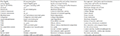 Table 2 Major virulence determinants of Aeromonas veronii and their functional roles |
The integrated molecular interactions of these determinants are illustrated in Figure 2.
 Figure 2 Integrated molecular pathogenesis of Aeromonas veronii Note: MSHA, mannose-sensitive haemagglutinin (type IV pilus); QseBC, QseB-QseC two-component regulatory system; T2SS, type II secretion system; T3SS, type III secretion system; T6SS, type VI secretion system; Fur, ferric uptake regulator |
Infection begins with environmental exposure followed by motility, chemotaxis, and adhesion to host surfaces. Flagella, type IV pili and outer-membrane-associated structures facilitate colonization and biofilm formation. Secretory systems, including T2SS, T3SS and T6SS, contribute to extracellular enzyme release, effector delivery and host interaction. Aerolysin, hemolysins, proteases, collagenases and other extracellular products promote cellular and tissue damage. Iron-acquisition systems and regulatory pathways such as Fur and QseBC support bacterial survival, persistence and coordinated expression of virulence-associated traits.
7 Host-Pathogen Interactions and Immune Responses
The outcome of Aeromonas veronii infection is determined by a dynamic interaction between bacterial virulence mechanisms and host defense responses. Following exposure, fish rely primarily on physical and chemical barriers, mucosal immunity and innate immune mechanisms to restrict bacterial colonization. When these barriers are compromised, A. veronii can invade tissues, multiply and disseminate systemically.
7.1 Mucosal barriers and the first line of defense
Fish are continuously exposed to microorganisms through the skin, gills and gastrointestinal tract. Consequently, mucosal surfaces represent critical sites of host-pathogen interaction. The skin mucus contains lysozyme, complement components, antimicrobial peptides, lectins, immunoglobulins and other molecules capable of inhibiting bacterial attachment and growth.
Experimental vaccination studies further demonstrate the importance of this compartment. Sukkarun et al. (2024) showed that immersion vaccination of red tilapia with a chitosan polymer-based nanovaccine against A. veronii enhanced specific IgM responses and bactericidal activity in serum and mucus.
7.2 Recognition of A. veronii by the innate immune system
In Nile tilapia (Oreochromis niloticus) experimentally challenged by immersion with A. veronii, transcription of nucleotide-binding oligomerization domain 1 (NOD1), lipopolysaccharide-binding protein (LBP), natural killer-lysin (NKL) and interleukin-1β (IL-1β) was measured by quantitative real-time PCR in the spleen, liver, gills and intestine at 6, 24, 48 and 72 h post-challenge (Bakry et al., 2024). All four genes showed significant transcriptional upregulation, with tissue- and time-dependent differences. At 72 h, the highest NOD1 and IL-1β expression levels were recorded in the spleen, whereas the highest LBP and NKL expression levels were found in the gills. Changes were also reported in the liver and intestine across the sampling period. These findings demonstrate an early, organ-specific transcriptional response in experimentally challenged Nile tilapia and should not be generalized to other fish species without further evidence.
7.3 Inflammatory responses
Inflammation is a central component of the host response to A. veronii. Following recognition of bacterial components, inflammatory signaling stimulates production of cytokines and chemokines that recruit leukocytes and activate antimicrobial mechanisms. Early cytokine activation can help restrict bacterial growth, but excessive or prolonged inflammation may contribute to tissue damage.
7.4 Complement system
The complement system represents an important component of innate immunity in teleost fish. Complement proteins can recognize and opsonize pathogens, promote phagocytosis and contribute to direct bacterial killing. Vaccination studies provide functional evidence for the importance of complement-associated protection. Red tilapia receiving a chitosan-based A. veronii nanovaccine exhibited increased alternative complement pathway activity together with increased lysozyme activity and specific antibody responses (Sukkarun et al., 2024).
7.5 Phagocytosis and cellular defense
Phagocytic cells such as macrophages and neutrophil-like granulocytes are essential for controlling bacterial infections in fish. These cells recognize, engulf and destroy invading bacteria. Bacterial virulence factors may interfere with these responses. Toxins, secretion-system effectors, oxidative stress and other bacterial products can alter host-cell function and potentially interfere with bacterial clearance.
7.6 Oxidative stress and antioxidant defense
Reactive oxygen species are important components of antimicrobial responses. Activated phagocytes can generate ROS as part of the respiratory burst, contributing to bacterial killing. However, excessive ROS production can damage host lipids, proteins and nucleic acids. Fish therefore require antioxidant systems including superoxide dismutase, catalase and glutathione peroxidase to maintain redox balance during infection.
7.7 Intestinal immune response
The intestine represents a major portal of entry for waterborne and food-associated pathogens and contains an extensive mucosal immune system. Infection with A. veronii can therefore produce substantial changes in intestinal immune pathways. Integrated transcriptomic and proteomic analysis has demonstrated extensive changes in immune-related genes and proteins following infection, including activation of complement, coagulation, phagosome, MAPK and NOD-like receptor pathways (Han et al., 2024).
7.8 Systemic immune responses
When A. veronii crosses epithelial barriers and enters internal tissues, systemic immune responses become increasingly important. The spleen and head kidney are major immune organs in teleosts and participate in systemic pathogen recognition, leukocyte production and antibody responses.
7.9 Humoral immunity and antibody responses
Adaptive immunity in fish includes production of immunoglobulins and development of immunological memory. IgM represents a major systemic antibody in teleosts, whereas IgT, or IgZ in some teleost lineages, has an important role in mucosal immunity. The development of specific antibodies following exposure to A. veronii has been demonstrated in vaccination studies. Sukkarun et al. (2024) reported enhanced A. veronii-specific IgM concentrations and bactericidal activity following immersion vaccination. Earlier work also demonstrated that oral administration of an extracellular lectin derived from A. veronii could stimulate mucosal immune responses and provide measurable protection following challenge (Merino-Contreras et al., 2001).
7.10 Immune evasion and modulation
The ability of A. veronii to cause systemic disease suggests that the bacterium can overcome or modulate host defense mechanisms. Toxins, secretion systems, biofilm formation, iron acquisition and surface structures can influence immune recognition and bacterial persistence. Biofilm formation may reduce exposure of bacterial cells to immune effectors, while extracellular polysaccharides and surface-associated structures may alter recognition by host immune molecules.
7.11 Host-pathogen interaction at the mucosal interface
The interaction between A. veronii and mucosal surfaces is a particularly important determinant of disease progression. Mucus and epithelial barriers can prevent bacterial attachment and invasion. If these barriers are overcome, pathogen-associated molecular patterns stimulate innate receptors and initiate inflammatory responses.
7.12 Interaction between immunity and environmental stress
Environmental conditions can strongly influence host response to A. veronii. Temperature, dissolved oxygen, ammonia, stocking density, handling and nutritional status can affect immune competence and may alter the balance between bacterial proliferation and host resistance.
7.13 Implications for immunoprophylaxis
Understanding host-pathogen interactions has direct implications for vaccine development and immunostimulatory strategies. Traditional whole-cell inactivated vaccines can stimulate systemic antibody responses, but their effectiveness may be improved through appropriate adjuvants and mucosal delivery systems.
7.14 Current understanding and research gaps
Several aspects of the A. veronii host response remain incompletely understood. Most available studies have focused on individual fish species and short experimental infection periods. Future research should integrate transcriptomics, proteomics, metabolomics and microbiome analysis with controlled infection experiments.
7.15 Concluding perspective
The host response to A. veronii is a coordinated process involving physical barriers, mucosal immunity, innate recognition, inflammation, complement activation, phagocytosis, oxidative responses and adaptive immunity. Disease outcome therefore reflects a dynamic balance between bacterial pathogenicity and host defense.
8 Biofilm Formation and Quorum Sensing
Biofilm formation is an important adaptive strategy that enables Aeromonas veronii to persist in aquatic environments, colonize host surfaces and withstand adverse environmental conditions. Aquaculture systems provide numerous surfaces for bacterial attachment, including tank walls, pipes, nets, sediments, biofilters and fish-associated tissues.
8.1 Stages of biofilm development
Biofilm development is generally initiated by reversible attachment of planktonic bacteria to a suitable surface. In A. veronii, motility-associated structures such as flagella and type IV pili facilitate movement toward surfaces and contribute to initial attachment. The extracellular matrix provides structural stability and creates a localized microenvironment in which bacterial cells can communicate, exchange metabolites and tolerate environmental fluctuations.
8.2 Flagella, pili and surface adhesion
Flagella and pili have functions extending beyond bacterial movement. Flagellar motility can facilitate migration toward favorable microenvironments, while type IV pili contribute to surface attachment, aggregation and bacterial interactions.
Mutation of mshK has been associated with reduced biofilm formation and altered pilus abundance, demonstrating that disruption of the MSHA pilus system can affect biofilm phenotype and pathogenicity (Lu et al., 2024).
8.3 Quorum sensing and population-level coordination
Quorum sensing enables bacterial cells to coordinate gene expression according to population density through production, release and detection of chemical signaling molecules. In A. veronii, QS is increasingly recognized as an important regulatory mechanism linking bacterial communication with biofilm formation, motility, colonization and virulence. N-acyl-homoserine lactone (AHL)-mediated signaling has been shown to influence biofilm formation and intestinal colonization (Li et al., 2022).
8.4 AHL-mediated regulation of chemotaxis and colonization
Further work has provided insight into how AHL-mediated QS promotes intestinal colonization. The ahyI mutant showed altered expression of chemotaxis-associated genes, while cheA was identified as an important downstream component. Disruption of cheA reduced chemotaxis, intestinal dispersion and colonization (Li et al., 2024).
8.5 LuxS/AI-2 signaling
Increasing evidence indicates that the LuxS/autoinducer-2 system also contributes to the biology of A. veronii. AI-2 is a broadly distributed bacterial signaling molecule that can participate in interspecies communication and regulation of collective bacterial behaviors. Li et al. (2025) demonstrated that AI-2 signaling contributes to intestinal colonization and host responses. Dietary supplementation with Priestia sp. PPB30 reduced AI-2-associated signaling and several virulence-related phenotypes (Gao et al., 2025).
8.6 Two-component regulatory systems and biofilm formation
Two-component systems can integrate environmental signals and modify gene expression associated with motility, stress adaptation, biofilm development and virulence. In A. veronii, QseBC and EnvZ/OmpR represent examples of regulatory systems that influence biofilm-associated phenotypes. Wang et al. (2023) demonstrated that OmpR affects biofilm formation and is associated with antimicrobial resistance, stress resistance and virulence.
8.7 Biofilms and antimicrobial tolerance
Biofilm formation can contribute to persistence during antimicrobial treatment even when a bacterial population does not possess a corresponding resistance gene. The biofilm matrix can limit antimicrobial penetration, while nutrient limitation and slow growth can reduce the effectiveness of drugs targeting actively dividing cells. Biofilm-associated tolerance should therefore be distinguished from genetically encoded antimicrobial resistance, although both phenomena can occur simultaneously.
8.8 Biofilm formation, virulence and environmental persistence
Biofilm formation should be considered an integrated component of A. veronii pathogenicity rather than an independent survival trait. The same bacterial structures and regulatory pathways can contribute to motility, adhesion, biofilm development and host colonization.
8.9 Biofilm dispersal and recolonization
Although mature biofilms provide persistence, dispersion is essential for dissemination to new ecological niches. Changes in nutrient availability, environmental stress, bacterial signaling or host-associated conditions may promote release of cells from established biofilms.
8.10 Anti-biofilm and quorum-sensing-based control
The regulatory nature of biofilm formation and QS creates opportunities for alternative disease-control strategies. Potential approaches include quorum-sensing inhibitors, signal degradation, competitive probiotics, phytochemicals, enzymes targeting the extracellular matrix and compounds that interfere with surface attachment.
8.11 Research gaps
Several questions remain unresolved concerning the relative contribution of different QS systems, composition of the biofilm matrix, relationship between QS and antimicrobial resistance, and behavior of biofilms under realistic aquaculture conditions.
8.12 Concluding perspective
Biofilm formation and quorum sensing represent interconnected adaptive mechanisms that enhance the ecological persistence and pathogenic potential of A. veronii. Targeting bacterial communication and biofilm-associated processes may therefore represent an important complement to conventional antimicrobial therapy.
9 Antimicrobial Resistance
Antimicrobial resistance (AMR) has become an increasingly important concern in Aeromonas veronii because of the organism’s capacity to acquire, maintain and disseminate resistance determinants in aquatic environments. The problem is particularly relevant to aquaculture, where repeated antimicrobial exposure, high stocking densities, environmental contamination and exchange of microorganisms can create conditions favorable for selection and persistence of resistant bacteria.
9.1 Phenotypic antimicrobial resistance
Antimicrobial susceptibility among A. veronii isolates varies with geographical origin, host and strain. In farmed largemouth bass (Micropterus salmoides) from three aquaculture regions in China, Chen et al. (2024) recovered 23 A. veronii isolates among 39 Aeromonas strains; the A. veronii isolates represented 13 multilocus sequence types and showed multidrug resistance with regional differences in resistance profiles. Evidence from India also includes species-specific findings: Dubey et al. (2022) reported that an A. veronii isolate recovered from catfish was resistant to ampicillin, cefoxitin, cefoperazone, erythromycin, gentamicin, penicillin and tetracycline, and their genomic analysis identified multiple antimicrobial-resistance genes among the Aeromonas genomes examined. However, their wider Indian dataset also included A. hydrophila and A. caviae, so the overall β-lactamase-gene and multidrug-resistance findings should be attributed to the Aeromonas collection rather than exclusively to A. veronii. Similarly, Nokhwal et al. (2025) detected A. veronii as the predominant species in village aquaculture ponds in Haryana, but their pooled antimicrobial-resistance percentages, including ESBL, AmpC β-lactamase and MDR frequencies, describe the mixed Aeromonas population. The authors did, however, identify A. veronii among the ESBL- and AmpC-positive isolates. These studies support the importance of species-resolved AMR surveillance and do not justify assigning every resistance phenotype reported for Aeromonas spp. to A. veronii.
9.2 Major antimicrobial-resistance mechanisms
Resistance in A. veronii can arise through enzymatic antimicrobial inactivation, modification or protection of antimicrobial targets, reduced membrane permeability and active efflux. Comparative genomic analysis identified resistance determinants associated with antimicrobial efflux, antimicrobial inactivation, target alteration, target replacement and target protection (Maia et al., 2023).
9.3 β-Lactam resistance and β-lactamases
β-lactam resistance is particularly important because β-lactam antibiotics are frequently used in clinical and veterinary settings. A. veronii can harbor several β-lactamase-associated determinants, including chromosomal and acquired resistance genes. Acquired β-lactamases have also been documented. An A. veronii strain recovered from hospital sewage in China was reported to carry blaKPC-2, mcr-3.17 and a tmexCD-toprJ-related gene cluster, illustrating the occurrence of clinically important resistance determinants in an environmental isolate (Zhu et al., 2023).
9.4 Tetracycline and quinolone resistance
Tetracyclines and quinolones are important antimicrobial classes in aquaculture, and resistance against both groups has been reported in A. veronii. Resistance to tetracyclines may involve efflux systems or ribosomal protection, whereas quinolone resistance may result from target mutations, plasmid-mediated resistance mechanisms and altered drug efflux. Integrated phenotypic and genomic approaches are preferable for comprehensive AMR characterization because detection of an ARG does not always translate directly into the same magnitude of phenotypic resistance.
9.5 Sulfonamide, aminoglycoside and other resistance determinants
Resistance-associated genes belonging to several antimicrobial classes have been identified in A. veronii. Commonly reported determinants include sul genes associated with sulfonamide resistance, aadA and related aminoglycoside-associated determinants, and multiple tetracycline-associated genes. The coexistence of resistance determinants is epidemiologically important because exposure to one antimicrobial may indirectly select bacteria carrying resistance to several other antimicrobial classes.
9.6 Efflux systems
Efflux systems can reduce intracellular antimicrobial concentrations by actively exporting compounds from bacterial cells. These systems may contribute to resistance against several structurally unrelated antimicrobial classes and can therefore produce multidrug-resistant phenotypes.
9.7 Mobile genetic elements
Plasmids, integrons, transposons and other mobile genetic elements can facilitate acquisition and dissemination of resistance determinants. The presence of mobile resistance elements increases the potential for horizontal gene transfer within aquatic microbial communities.
9.8 Biofilm-associated resistance and tolerance
Biofilm-associated cells may survive antimicrobial exposure because of restricted drug penetration, altered metabolic states, slow growth and stress-response mechanisms. Therefore, biofilm management should be integrated with antimicrobial stewardship.
9.9 Aquaculture as an AMR selection environment
Aquaculture systems can create conditions favorable for selection and persistence of resistant bacteria. Antimicrobial exposure can occur through therapeutic treatment, prophylactic practices or inappropriate administration. Organic matter accumulation, high fish density, contaminated water sources and inadequate biosecurity can further increase bacterial transmission.
9.10 One Health significance of A. veronii AMR
The One Health relevance of A. veronii antimicrobial resistance reflects its occurrence in aquatic environments, fish and human clinical settings. Comparative genomic studies have reported resistance determinants in isolates from different ecological sources (Maia et al., 2023). Such findings indicate potential ecological connectivity, but do not by themselves demonstrate direct transmission between hospital sewage, aquaculture systems, fish and people.
9.11 Molecular surveillance and genomic monitoring
Traditional antimicrobial susceptibility testing remains essential for determining the phenotype of individual isolates. However, whole-genome sequencing provides additional information about resistance genes, mutations, plasmids, genomic islands and other mobile genetic elements. Genomic surveillance is particularly valuable when combined with phylogenetic analysis because it can distinguish widespread resistance determinants from those associated with particular clones. The major antimicrobial-resistance phenotypes and mechanisms are summarized in Table 3. The development and dissemination pathways of antimicrobial resistance are illustrated in Figure 3.
 Table 3 Major antimicrobial-resistance phenotypes, genes and mechanisms reported in Aeromonas veronii |
 Figure 3 Development and dissemination of antimicrobial resistance in Aeromonas veronii Note: AMR, antimicrobial resistance; MBL, metallo-β-lactamase; ESBL, extended-spectrum β-lactamase; RND, resistance-nodulation-cell division; MFS, major facilitator superfamily; MATE, multidrug and toxic compound extrusion; PBP, penicillin-binding protein; EPS, extracellular polymeric substance; ICE, integrative and conjugative element. |
Antimicrobial exposure creates selection pressure that favors resistant and tolerant bacterial populations. Resistance may arise through antimicrobial inactivation, active efflux, target modification or protection and reduced permeability. Mobile genetic elements can facilitate acquisition and dissemination of antimicrobial-resistance genes. Biofilm formation may further enhance persistence under antimicrobial stress. Resistant A. veronii populations may occur across fish, water, sediment, aquaculture infrastructure and wastewater, creating interconnected environmental, veterinary and human AMR reservoirs.
9.12 Research gaps and future priorities
Several major gaps remain in understanding AMR in A. veronii. Large-scale longitudinal surveillance is required to determine temporal trends and identify emerging resistance hotspots. Greater attention should be given to the relationship between antimicrobial use and resistance development. The mobility and expression of resistance genes also require further investigation. Detection of an ARG through PCR or genome sequencing provides evidence of genetic potential, but functional studies are needed to establish whether the determinant contributes substantially to the observed phenotype. One Health surveillance should integrate aquaculture farms, natural water bodies, wastewater, fish products and human-associated environments.
9.13 Concluding perspective
AMR in A. veronii represents a complex interaction between bacterial genetics, environmental selection, antimicrobial use and ecological connectivity. Sustainable management requires improved biosecurity, antimicrobial stewardship, routine susceptibility testing, genomic surveillance, environmental monitoring and non-antibiotic interventions.
10 Molecular Diagnostics and Identification
Accurate identification of Aeromonas veronii is essential for epidemiological surveillance, disease diagnosis, antimicrobial-resistance monitoring and selection of appropriate control strategies. However, species-level identification within the genus Aeromonas can be challenging because closely related species frequently share phenotypic and biochemical characteristics.
10.1 Conventional culture-based identification
Initial detection of A. veronii generally involves isolation on appropriate bacteriological media followed by examination of colony morphology and biochemical characteristics. Members of the genus are typically Gram-negative, oxidase-positive, facultatively anaerobic, rod-shaped bacteria. Although these approaches are useful for preliminary identification, their ability to reliably distinguish A. veronii from closely related Aeromonas species is limited.
10.2 Limitations of 16S rRNA gene sequencing
16S rRNA gene sequencing is widely used for bacterial identification. It is valuable for confirming that an isolate belongs to the genus Aeromonas, but the high sequence similarity among several species limits its discriminatory power at species level. Comparative analysis of clinical Aeromonas isolates demonstrated that 16S rRNA sequencing was less reliable for species-level assignment than multilocus or genome-based approaches.
10.3 Housekeeping gene-based identification
Sequencing of conserved housekeeping genes provides greater discriminatory power than 16S rRNA sequencing. Genes such as gyrB, rpoB, rpoD, dnaJ, gltA and recA have been evaluated for discrimination among closely related Aeromonas species. The gyrB gene is particularly useful because it generally contains greater sequence variation than the 16S rRNA gene while retaining sufficient conservation for phylogenetic analysis. Similarly, rpoB sequencing can improve resolution of closely related taxa.
10.4 Species-specific PCR
PCR-based detection provides a rapid alternative to sequencing when validated taxonomic or gene-targeted primers are available. Persson et al. (2015) developed a multiplex PCR assay using an A. veronii-specific rpoB primer pair (224-bp amplicon), alongside gyrB-based targets for A. caviae, A. media and A. hydrophila. Sequencing of rpoB and gyrB also provides improved species-level resolution. Virulence-associated genes such as aerA, hly, act, alt and ast are used for virulence profiling and should not be treated as species-identification markers.
10.5 Multiplex PCR and rapid molecular detection
Multiplex PCR can simultaneously detect several targets within a single reaction, potentially allowing differentiation among Aeromonas species or simultaneous screening for virulence-associated genes. For aquaculture applications, molecular assays can reduce the time required between sampling and confirmation.
10.6 MALDI-TOF mass spectrometry
Matrix-assisted laser desorption/ionization time-of-flight mass spectrometry provides rapid identification based on characteristic bacterial protein spectra. The method has become increasingly important in clinical microbiology. MALDI-TOF MS has demonstrated substantial utility for Aeromonas identification, but its performance depends strongly on the reference spectral database. Earlier comparative work showed useful concordance between MALDI-TOF and molecular identification, although misidentifications can occur among closely related species. Consequently, MALDI-TOF MS is valuable as a rapid diagnostic screening tool, but unusual or epidemiologically important isolates should be confirmed using higher-resolution molecular methods.
10.7 Multilocus sequence typing
Multilocus sequence typing (MLST) characterizes isolates using sequences from multiple conserved housekeeping genes. For A. veronii, MLST has been applied to investigate population structure, genetic diversity, geographical distribution and relationships among clinical and environmental isolates. Maia et al. (2023) used an MLST scheme involving gyrB, groL, gltA, metG, ppsA and recA to characterize A. veronii genomes.
10.8 Average nucleotide identity and genome-based species identification
Average nucleotide identity (ANI) has become one of the most useful approaches for species-level identification of bacterial genomes. ANI measures the average nucleotide similarity between homologous genomic regions and provides greater resolution than many traditional phenotypic methods. Maia et al. (2023) demonstrated that several genomes previously deposited as A. veronii had been incorrectly assigned when evaluated using ANI.
10.9 Whole-genome sequencing
10.10 Core-genome and SNP-based phylogenetics
Beyond species identification, genome-scale approaches can characterize evolutionary relationships among A. veronii isolates. Core-genome alignments identify conserved regions shared by most isolates, while single-nucleotide polymorphism (SNP)-based analyses provide higher resolution for closely related strains.
10.11 Metagenomic and culture-independent approaches
Culture-dependent isolation remains important for obtaining viable bacterial strains for antimicrobial susceptibility testing and experimental characterization. However, metagenomic approaches provide opportunities to detect Aeromonas populations directly from environmental or host-associated samples. Metagenomic detection of A. veronii DNA does not necessarily demonstrate active infection and should therefore be interpreted alongside culture, quantitative molecular assays, clinical signs and histopathological evidence.
10.12 Diagnostic integration for aquaculture
For practical aquaculture diagnosis, no single technique is ideal for every situation. A tiered strategy can provide both speed and reliability. An appropriate workflow begins with clinical observation and sampling of affected fish, followed by bacterial culture and preliminary biochemical characterization. PCR or MALDI-TOF MS can then provide rapid identification, while sequencing of discriminatory housekeeping genes can be used when species-level confirmation is uncertain. For epidemiological studies, multidrug-resistant isolates, unusual clinical presentations or suspected outbreaks, WGS with ANI and core-genome analysis provides a more comprehensive solution.
10.13 Recommended diagnostic hierarchy
A practical diagnostic hierarchy should proceed from clinical examination, culture, Gram staining, oxidase and catalase tests, and basic biochemical characterization to molecular confirmation using 16S rRNA sequencing, discriminatory housekeeping genes (e.g., gyrB, rpoB, and rpoD), or validated species-specific PCR. MALDI-TOF MS and MLST may support rapid identification and epidemiological characterization, whereas WGS, ANI-based species confirmation, core-genome phylogeny, SNP analysis, and virulome, resistome, plasmid, and mobile-element characterization are appropriate for definitive genomic investigation.
10.14 Diagnostic challenges and research priorities
Several challenges continue to limit accurate identification of A. veronii. High genetic similarity among closely related species complicates species-level identification using conventional biochemical tests and 16S rRNA sequencing. Commercial identification systems depend heavily on database quality, while public genomic databases may contain incorrectly annotated isolates. Future diagnostic development should focus on validated species-specific PCR assays, improved MALDI-TOF databases, portable sequencing technologies, automated genomic classification and standardized WGS-based surveillance pipelines.
10.15 Concluding perspective
Accurate identification of A. veronii requires recognition of the limitations associated with conventional phenotypic methods and low-resolution molecular markers. Culture-based techniques remain valuable for initial recovery and phenotypic characterization, while 16S rRNA sequencing provides useful genus-level confirmation. Housekeeping gene sequencing, particularly targeting discriminatory loci such as gyrB and rpoB, improves species-level resolution. MALDI-TOF MS provides rapid identification and is highly useful for routine diagnostics, whereas WGS combined with ANI, core-genome phylogeny and SNP analysis offers a comprehensive framework for definitive species identification and epidemiological investigation.
11 One Health Significance
The significance of Aeromonas veronii extends beyond its role as an important pathogen of cultured and wild aquatic animals. Its widespread distribution in aquatic environments, ability to infect multiple hosts, capacity to acquire antimicrobial-resistance determinants and association with human disease place this species within a broader One Health framework.
11.1 A. veronii at the aquaculture-environment-human interface
Aquaculture provides an important setting in which the ecological and pathogenic characteristics of A. veronii intersect. The organism can persist in water, sediments and biofilms while also colonizing fish-associated surfaces and internal tissues. Water quality, organic loading, stocking density, biosecurity, animal movement and microbial contamination can all influence the likelihood of disease emergence (Behera et al., 2023).
11.2 Environmental reservoirs and transmission pathways
Water represents an important component of the A. veronii transmission cycle. The bacterium can occur in freshwater environments and may persist in association with sediment, organic matter and biofilms. Aquaculture facilities may therefore function as amplification environments when susceptible fish, high microbial loads and favorable environmental conditions occur simultaneously. Environmental surveillance should complement fish-health monitoring because environmental populations may persist before clinical disease becomes apparent.
11.3 Fish health and aquaculture productivity
The direct economic importance of A. veronii arises from its ability to cause disease and mortality in commercially important fish. Clinical manifestations can include hemorrhage, ulceration, fin erosion, exophthalmia, ascites, internal organ lesions and systemic septicemia. The consequences of infection extend beyond mortality. Disease can reduce growth, feed utilization, reproductive performance and market value, while treatment and increased farm-management costs can further reduce profitability.
11.4 Food safety and seafood consumption
Aquatic food represents an important source of animal protein worldwide. Consequently, bacterial pathogens associated with aquaculture have potential food-safety implications. The risk associated with A. veronii should not be interpreted as meaning that consumption of properly handled and cooked fish routinely causes human infection. Rather, the food-chain pathway represents one of several potential exposure routes through which aquatic bacteria and antimicrobial-resistance determinants may reach humans.
11.5 Human health significance
Although A. veronii is primarily associated with aquatic environments and animals, it can act as an opportunistic human pathogen. Human infections have been associated with gastrointestinal disease, wound infections, bacteremia and systemic infections, particularly among susceptible individuals. Comparative genomic studies have identified virulence and resistance genes across environmental, animal and human-associated isolates, demonstrating that the species cannot be considered exclusively a fish pathogen (Maia et al., 2023).
11.6 Antimicrobial resistance as a One Health threat
AMR represents perhaps the strongest connection between A. veronii and the One Health framework. Antimicrobial exposure in aquaculture can select for resistant bacterial populations, while environmental contamination can facilitate persistence and exchange of resistance determinants. A recent review of AMR in aquaculture emphasized that aquatic environments can function as reservoirs of resistant bacteria and resistance genes, while fish production systems can connect environmental, animal, food and human compartments (Milijasevic et al., 2024).
11.7 Environmental contamination and wastewater
Wastewater and aquaculture effluents may contain bacteria, antimicrobial residues and antimicrobial-resistance genes, making them relevant to environmental AMR surveillance. Wang et al. (2025) documented enrichment of antibiotic-resistant A. veronii and associated resistance determinants through an antibiotic-manufacturing wastewater treatment plant. This provides direct evidence of selection and persistence within that treatment system, but does not establish direct transmission from wastewater to aquaculture animals or humans. More broadly, the detection of related organisms or resistance determinants in different environmental, animal and clinical compartments should be interpreted as potential ecological connectivity requiring comparative genomic and epidemiological investigation (Martak et al., 2024; Wang et al., 2025).
11.8 Aquaculture practices and antimicrobial stewardship
Prevention of A. veronii infections should prioritize disease prevention rather than routine antimicrobial dependence. Poor water quality, excessive stocking density, nutritional deficiencies, handling stress and inadequate biosecurity can increase disease susceptibility and consequently promote antimicrobial use. Antimicrobial stewardship should include accurate diagnosis, susceptibility testing, appropriate antimicrobial selection, correct dosage and duration, and avoidance of unnecessary prophylactic treatment.
11.9 Food security and sustainable aquaculture
The One Health importance of A. veronii also extends to food security. Aquaculture is an increasingly important contributor to global food production, particularly in regions where aquatic foods provide affordable animal protein. Disease outbreaks threaten this contribution by reducing survival and productivity. Sustainable disease management should therefore seek to maintain fish productivity while minimizing ecological and public-health consequences.
11.10 Climate and environmental change
Environmental change may further modify the epidemiology of A. veronii. Temperature, dissolved oxygen, salinity, organic matter and other environmental parameters can influence bacterial growth, host physiology and immune competence. Future disease-risk models should integrate pathogen abundance, host susceptibility and environmental variables rather than relying solely on historical disease occurrence.
11.11 Surveillance within a One Health framework
Effective surveillance should integrate aquatic-animal health data, including clinical disease, mortality, bacterial isolation, antimicrobial susceptibility testing, and virulence profiling; environmental sampling of water, sediment, biofilms, farm infrastructure, and effluents; food-chain monitoring of farmed fish, processing environments, retail seafood, and food-contact surfaces; and human-health surveillance of clinical isolates and infection syndromes. Whole-genome sequencing, ANI-based species confirmation, resistome and virulome analysis, plasmid and mobile-element characterization, and phylogenomic comparison can connect findings across these settings.
· Water
· Whole-genome sequencing
11.12 Barriers to One Health implementation
Several barriers limit effective One Health surveillance. Surveillance programs are often sector-specific, diagnostic capacity varies considerably among regions, environmental surveillance is less developed than clinical surveillance, and antimicrobial-use data in aquaculture may be incomplete. Addressing these limitations will require collaboration among microbiologists, fish-health specialists, veterinarians, clinicians, environmental scientists, epidemiologists, aquaculture producers and public-health authorities.
11.13 One Health research priorities
Future research should prioritize comparative genomics of fish-associated, environmental and human-associated populations, longitudinal sampling across production cycles, environmental surveillance, investigation of wastewater and aquaculture effluents, standardized genomic surveillance pipelines and evaluation of non-antibiotic interventions.
11.14 An integrated One Health perspective
The One Health interfaces relevant to A. veronii and antimicrobial resistance include aquatic environments, aquaculture production, food-chain interfaces, wastewater, and human-health surveillance as connected settings for comparative monitoring. These interfaces reflect potential exposure and surveillance connections, not confirmed direct transmission routes.
This framework indicates that interventions at a single point may be insufficient; coordinated surveillance and management across environmental, aquaculture, food-chain, and human-health settings are needed.
11.15 Concluding perspective
Aeromonas veronii represents a relevant One Health organism because it occupies the intersection of aquatic ecosystems, aquaculture production, food systems, antimicrobial resistance and human health. A coordinated One Health strategy should therefore combine environmental surveillance, fish-health management, food-safety practices, antimicrobial stewardship, genomic monitoring and alternative disease-control technologies.
12 Conventional and Emerging Control Strategies
Control of Aeromonas veronii infections in aquaculture is becoming increasingly challenging because of the organism’s broad host range, environmental persistence, biofilm-forming ability, virulence diversity and increasing antimicrobial resistance. Consequently, modern control programs increasingly emphasize prevention, immunoprophylaxis, nutritional management, probiotics, phytochemicals, bacteriophages, anti-biofilm approaches and integrated farm management (Dien et al., 2023; Milijasevic et al., 2024).
No single intervention is likely to provide universal protection against A. veronii. The most sustainable strategy is therefore an integrated approach in which environmental management reduces pathogen pressure, vaccination and immunostimulation improve host resistance, probiotics and functional feeds support mucosal health, and targeted alternatives such as bacteriophages are used when appropriate.
12.1 Environmental management and biosecurity
Environmental management represents the first line of defense against A. veronii. The organism is widely distributed in aquatic environments and can persist in water, sediment and biofilms. Consequently, reducing environmental bacterial loads and minimizing opportunities for transmission can substantially reduce disease pressure (Xu et al., 2022; Liu et al., 2022). Important management measures include maintaining appropriate stocking densities, monitoring water quality, removing dead or moribund fish rapidly, controlling organic accumulation, disinfecting equipment and preventing movement of contaminated water between culture units.
12.2 Antimicrobial chemotherapy
Antimicrobials remain useful for treating severe bacterial disease when susceptible pathogens have been accurately identified. However, treatment should ideally follow bacterial isolation and antimicrobial susceptibility testing rather than empirical repeated administration. The increasing occurrence of multidrug-resistant A. veronii makes indiscriminate antimicrobial use particularly problematic. Resistance to multiple antimicrobial classes has been documented among isolates from aquaculture and clinical environments (Maia et al., 2023; Chen et al., 2024).
12.3 Vaccination
Vaccination is one of the most promising approaches for reducing antimicrobial dependence in aquaculture. Vaccine platforms investigated against A. veronii include formalin-inactivated whole-cell vaccines, extracellular antigen preparations, recombinant antigens, oral vaccines, immersion vaccines and nanoparticle-based delivery systems (Youssef et al., 2023; Sukkarun et al., 2024). Sukkarun et al. (2024) demonstrated that a chitosan polymer-based nanovaccine enhanced systemic and mucosal immune responses and provided substantial protection following bacterial challenge.
12.4 Oral and feed-based vaccination
Oral vaccination provides an attractive approach because antigens can be incorporated into feed and administered without handling individual fish. However, antigens may undergo degradation within the gastrointestinal tract. Encapsulation, mucoadhesive materials, nanoparticles and adjuvants may improve antigen stability and uptake.
12.5 Nanovaccine and adjuvant-based approaches
Nanotechnology provides opportunities to improve antigen delivery and stimulate stronger immune responses. Chitosan is particularly attractive for aquatic vaccines because of its biocompatibility and mucoadhesive properties. Nevertheless, vaccine efficacy can vary according to antigenic diversity, bacterial strain, fish species, age, environmental conditions and vaccination route.
12.6 Probiotics
Probiotics represent one of the most extensively investigated alternatives to conventional antimicrobial treatment. Beneficial bacteria can reduce pathogen abundance through competitive exclusion, production of antimicrobial compounds, alteration of intestinal microbial communities, improvement of epithelial integrity and stimulation of host immunity.
12.7 Next-generation probiotics
Traditional probiotics are increasingly complemented by defined strains, engineered microorganisms, postbiotics and microbiome-based interventions. Future research may move toward precision probiotics designed for specific fish species, production systems and pathogen populations.
12.8 Immunostimulants and functional nutrition
Immunostimulants enhance innate defense mechanisms without necessarily inducing pathogen-specific adaptive immunity. They include β-glucans, polysaccharides, vitamins, minerals, nucleotides, amino acids, herbal compounds and microbial derivatives. Functional feeds can combine nutritional support with immunostimulatory, antimicrobial, antioxidant or microbiome-modulating effects.
12.9 Phytochemicals and herbal extracts
Plant-derived compounds have received increasing attention because many possess antibacterial, antioxidant, anti-inflammatory and immunomodulatory properties. Phytochemicals may act through disruption of bacterial membranes, inhibition of bacterial enzymes, suppression of biofilm formation, interference with quorum sensing and modulation of host antioxidant and immune responses. However, plant-based interventions require careful standardization because chemical composition can vary according to plant genotype, geographical origin, harvesting stage, extraction solvent, extraction method and storage conditions.
12.10 Functional feeds and phytogenic aquafeeds
The integration of plant extracts into aquafeeds offers a practical approach because feed is routinely administered in intensive aquaculture. Phytogenic feeds can potentially deliver bioactive compounds continuously and may simultaneously improve nutritional status and disease resistance. Thermal degradation is particularly relevant when phytochemicals are incorporated into pelleted feeds. Studies should therefore assess stability of active compounds after feed processing.
12.11 Bacteriophage therapy
Bacteriophages provide a highly specific alternative to conventional antibiotics. Lytic phages infect susceptible bacterial cells, replicate within them and cause bacterial lysis. Recent studies have demonstrated promising prophylactic and therapeutic effects of A. veronii-specific phages in fish (Gallage et al., 2025). Mucus-associated phages may provide a protective barrier at the host-environment interface.
12.12 Limitations of phage therapy
Phages often have narrow host ranges, meaning that a single phage may not be effective against genetically diverse A. veronii populations. Bacteria may also evolve phage resistance through receptor modification and other defense systems. Phage cocktails containing several complementary lytic phages may broaden host coverage. However, only strictly lytic phages without virulence, lysogeny-associated or antimicrobial-resistance genes should be considered for therapeutic development.
12.13 Anti-biofilm and quorum-sensing interventions
Potential approaches include inhibition of bacterial adhesion, disruption of extracellular polymeric substances, quorum-sensing interference, enzymatic degradation of the biofilm matrix, competitive probiotics and phytochemical anti-biofilm compounds. The relationship between quorum sensing, biofilm formation, motility and virulence provides a strong rationale for anti-virulence approaches (Li et al., 2024; Luo et al., 2024).
12.14 Anti-virulence strategies
Potential targets include type III secretion systems, type VI secretion systems, aerolysin and hemolysins, iron-acquisition pathways, flagellar assembly, type IV pili, quorum-sensing systems, biofilm formation and regulatory systems such as Fur and QseBC. Targeting virulence rather than bacterial survival could theoretically reduce selective pressure for resistance, although the evolutionary consequences of long-term anti-virulence treatment remain uncertain.
12.15 Integrated disease management
The most realistic strategy for sustainable control of A. veronii is an integrated disease-management program rather than dependence on a single intervention. A preventive program should begin with environmental management, including maintenance of appropriate water quality, stocking density, oxygen availability and organic-load control. Biosecurity should include quarantine of new fish, disinfection of equipment and prevention of contaminated-water transfer. Nutritional management should provide balanced diets and, where evidence supports their use, functional feed additives. Probiotics and other microbiome-management approaches may support intestinal health. Vaccination should be considered before high-risk periods. Surveillance should include clinical signs, mortality, water quality and pathogen prevalence. When disease occurs, rapid diagnostic confirmation and antimicrobial susceptibility testing should guide treatment.
Conventional and emerging control strategies are summarized in Table 4.
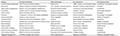 Table 4 Conventional and emerging control strategies for Aeromonas veronii |
An integrated sustainable control framework is illustrated in Figure 4.
 Figure 4 Integrated prevention and control framework for Aeromonas veronii Note: AMR, antimicrobial resistance; AST, antimicrobial susceptibility testing; PCR, polymerase chain reaction; WGS, whole-genome sequencing; EPS, extracellular polymeric substance; AHL, N-acyl-homoserine lactone; T2SS, type II secretion system; T3SS, type III secretion system; T6SS, type VI secretion system |
12.16 Combination therapies and future directions
The future of A. veronii control is likely to involve combinations of interventions rather than replacement of one treatment with another.
For example, vaccination can provide pathogen-specific immunity, while probiotics can support mucosal health. Functional feeds may improve nutritional and antioxidant status, while phages can directly reduce susceptible bacterial populations during outbreaks. Anti-biofilm compounds may increase bacterial accessibility to phages or conventional antimicrobials.
Combination strategies should nevertheless be evaluated experimentally because interactions between treatments may be positive, neutral, or antagonistic.
12.17 Regulatory and practical considerations
Before widespread implementation, emerging interventions require evaluation of safety, efficacy, stability, scalability and regulatory acceptability. For probiotics, candidate strains should be taxonomically characterized and screened for undesirable antimicrobial-resistance or virulence determinants. For phages, complete genome analysis is important to exclude lysogenic, virulence-associated, or antimicrobial-resistance-associated genes. Plant extracts require standardization, while vaccines require assessment of safety, antigen stability and protection against genetically diverse isolates.
12.18 Research priorities
Future research should prioritize broadly protective vaccines and conserved protective antigens; stable oral and immersion vaccine platforms; host-associated and pathogen-targeted probiotics; standardized phytogenic and functional-feed formulations; safe anti-biofilm and quorum-sensing inhibitors; phage cocktails with broad strain coverage; phage-probiotic and phage-phytochemical combinations; integration of WGS surveillance with antimicrobial-resistance and virulence monitoring; evaluation of intervention effectiveness under commercial aquaculture conditions; standardized protocols for non-antibiotic disease-control technologies; and assessment of the environmental consequences of long-term intervention use.
12.19 Concluding perspective
Control of A. veronii is moving from an antimicrobial-dependent model toward a more integrated disease-management framework. Antibiotics remain useful when appropriately selected and administered, but increasing antimicrobial resistance makes exclusive reliance on chemotherapy unsustainable (Maia et al., 2023; Milijasevic et al., 2024). Vaccination, probiotics, immunostimulants, functional feeds, and phytochemicals provide complementary approaches. Bacteriophages offer highly specific biological control, while anti-biofilm, quorum-sensing, and anti-virulence strategies provide opportunities to interfere with bacterial persistence and pathogenicity. Ultimately, successful control will depend on moving from reactive treatment toward predictive and preventive health management.
13 Research gaps and future perspectives
Despite substantial progress in understanding Aeromonas veronii, important gaps remain in epidemiology, comparative genomics, virulence, host-pathogen interactions, antimicrobial resistance, diagnostics, and disease control.
13.1 Need for improved global epidemiological surveillance
Although A. veronii has been reported from numerous geographical regions and aquatic hosts, its true global distribution remains incompletely understood. Existing studies often use different isolation, identification, antimicrobial susceptibility and virulence-testing methods. Future surveillance should integrate standardized microbiological sampling with molecular identification, antimicrobial susceptibility testing and genomic characterization.
13.2 Linking genotype with virulence phenotype
One major challenge is that the presence of a virulence-associated gene does not necessarily indicate equivalent pathogenic potential. Future research should move toward integrated genotype-phenotype analyses using genome-wide association studies, transcriptomics, proteomics, metabolomics and targeted gene-editing approaches.
13.3 Functional genomics and regulatory networks
Although numerous genes associated with motility, adhesion, secretion, toxins, iron acquisition, biofilm formation and quorum sensing have been identified, the regulatory relationships connecting these systems remain incompletely understood. Recent studies demonstrate that regulatory components such as Fur and QseC influence motility, biofilm formation, chemotaxis, colonization and virulence (Gong et al., 2024; Luo et al., 2024).
13.4 Host-specific virulence and cross-species transmission
A. veronii is capable of infecting a wide range of aquatic hosts, but mechanisms determining host specificity remain poorly understood. Future research should investigate host-specific adaptations using comparative infection models, transcriptomics, metabolomics and microbiome analysis.
13.5 Understanding environmental persistence
The ability of A. veronii to survive in water, sediment, biofilms and aquaculture infrastructure is central to its epidemiology. Future research should investigate how combinations of temperature, dissolved oxygen, pH, organic matter, salinity, nutrient availability, stocking density and microbial community composition influence persistence and virulence.
13.6 Biofilm and quorum-sensing research
Future research should determine how biofilm development differs between environmental and highly virulent isolates and whether specific genomic signatures predict strong biofilm-forming capacity. Anti-biofilm and quorum-sensing interventions should be evaluated under realistic aquaculture conditions rather than exclusively in laboratory models.
13.7 Antimicrobial resistance and mobile genetic elements
AMR represents one of the most important future challenges associated with A. veronii. Genomic studies have demonstrated diverse resistance determinants and mobile genetic elements. Future research should give particular attention to plasmids, integrons, transposons, genomic islands, phages and other elements capable of transferring resistance determinants.
13.8 Standardization of antimicrobial susceptibility testing
Comparison of AMR data among A. veronii studies remains difficult because different antimicrobial panels, interpretive standards, inoculum concentrations and susceptibility-testing methods are frequently used. Future studies should report complete susceptibility profiles together with testing methodology, interpretive criteria, isolate source, geographic origin and genomic resistance determinants.
13.9 Development of rapid and accurate diagnostics
Reliable identification remains important because phenotypic characteristics may overlap among closely related Aeromonas species. Future diagnostic systems should combine rapid detection with high taxonomic accuracy. Species-specific PCR, multiplex PCR, MALDI-TOF MS, multilocus sequence analysis, whole-genome sequencing and metagenomic approaches each have potential applications depending on the diagnostic context.
13.10 Need for better vaccine strategies
Vaccination remains one of the most promising approaches for reducing dependence on antibiotics, but broadly protective vaccines are complicated by genomic and antigenic diversity. Future research should identify conserved surface and secreted antigens shared among pathogenic lineages. Reverse vaccinology, comparative genomics, structural biology and immunoproteomics may help identify candidates.
13.11 Probiotics, postbiotics and microbiome-based approaches
Probiotics have shown considerable promise, but their effects are frequently strain-specific and influenced by environmental and host factors. Future studies should compare probiotics, synbiotics, postbiotics and defined microbial metabolites under standardized conditions.
13.12 Phage therapy and phage engineering
Bacteriophage therapy is an attractive alternative for controlling antimicrobial-resistant A. veronii, but narrow host range, phage resistance, environmental instability and regulatory requirements remain important challenges. Future research should prioritize phage cocktails containing genetically distinct lytic phages and evaluate phage-probiotic and phage-phytochemical combinations.
13.13 Phytochemicals and functional feeds
Plant-derived compounds represent an important area for future research because many possess multiple biological activities. However, reproducibility remains a major limitation. Future research should emphasize chemical standardization, identification of active constituents, pharmacokinetic studies, dose optimization, toxicity assessment and stability during feed processing.
13.14 Integration of multi-omics
The future understanding of A. veronii will increasingly depend on integration of multiple omics approaches. Genomics can identify genetic diversity and potential virulence or resistance determinants. Transcriptomics can reveal genes activated during infection, proteomics can identify expressed proteins and metabolomics can reveal changes in metabolic pathways and host-microbe interactions.
13.15 Artificial intelligence and predictive disease surveillance
The increasing availability of genomic, environmental, clinical and production data creates opportunities for predictive disease modeling. Machine-learning approaches could potentially integrate water-quality parameters, temperature, stocking density, historical mortality, pathogen abundance, AMR profiles and genomic information to predict outbreak risk. Artificial intelligence should therefore complement, rather than replace, microbiological and epidemiological surveillance.
13.16 One Health research priorities
Future surveillance should encompass interconnected settings (Figure 5), including aquaculture production systems; hatchery and farm water; sediment and wastewater; fish and other aquatic animals; retail aquatic products; food-processing environments; hospital and community wastewater; and human clinical isolates. Coordinated sampling and data integration across these settings would support a more comprehensive understanding of pathogen transmission and antimicrobial-resistance dynamics.
 Figure 5 One Health surveillance interfaces for Aeromonas veronii and antimicrobial resistance |
Comparative WGS analysis could determine whether particular resistance or virulence determinants are shared among these compartments.
13.17 Translating laboratory findings to commercial aquaculture
A major limitation of current research is the frequent dependence on laboratory-scale experiments. Many promising vaccines, probiotics, phytochemicals, phages, and anti-biofilm compounds have demonstrated activity under controlled conditions but have not been sufficiently evaluated in commercial production environments. Future studies should progress from laboratory screening and controlled challenge experiments to pilot-scale evaluation, commercial farm trials, and long-term ecological assessment.
13.18 Development of standardized experimental frameworks
Standardization should extend to experimental infection models. Differences in bacterial dose, exposure route, fish age, fish size, water temperature, observation period, and mortality endpoints can make results difficult to compare. Future studies should establish standardized reporting guidelines for A. veronii challenge experiments.
13.19 Toward precision aquaculture
The long-term objective should be development of precision disease management in aquaculture. Future systems could combine pathogen genomics, host genetics, microbiome composition, environmental monitoring and historical disease information to determine the most appropriate intervention for each production system.
13.20 Priority research questions
Priority research questions include which genomic determinants reliably distinguish highly virulent strains from environmental or low-virulence populations; which conserved antigens can provide broad protection against genetically diverse A. veronii lineages; how environmental conditions regulate the transition between environmental persistence and active pathogenicity; which mobile genetic elements are primarily responsible for antimicrobial-resistance dissemination; how frequently resistance and virulence determinants are transferred among aquatic, environmental, and clinical bacterial populations; whether phage cocktails can provide stable protection against genetically diverse A. veronii populations; which probiotic strains, postbiotic metabolites, and phytochemicals provide reproducible protection after feed processing and storage; whether anti-virulence interventions can reduce disease without unintended evolutionary consequences; and how genomic, environmental, microbiome, and host-health data can be integrated into practical early-warning systems.
13.21 Future perspective
The next generation of A. veronii research should move beyond describing the presence of the bacterium toward understanding and predicting its behavior within complex aquaculture ecosystems. Genomic diversity, antimicrobial resistance, environmental persistence, host susceptibility, microbiome composition and bacterial virulence should be studied as interconnected components. Whole-genome sequencing and comparative genomics will remain central to surveillance, but genomic data should increasingly be linked to experimental phenotype, environmental information and clinical outcomes.
Ultimately, the most important future shift will be from reactive treatment to predictive prevention. A combination of genomic surveillance, environmental monitoring, rapid diagnostics, host-health assessment, microbiome management, vaccination, responsible antimicrobial use and targeted biological interventions could provide a more sustainable framework for controlling A. veronii.
14 Conclusion
Aeromonas veronii has emerged as an important bacterial pathogen of freshwater and cultured aquatic animals, with increasing relevance to aquaculture production, antimicrobial resistance, environmental health and One Health. Its epidemiological importance is closely associated with its broad environmental distribution, diverse host range, ability to persist under changing environmental conditions and capacity to acquire and express multiple virulence and antimicrobial-resistance determinants (Janda and Abbott, 2010; Liu et al., 2022; Maia et al., 2023).
Advances in comparative genomics and whole-genome sequencing have substantially improved understanding of the genetic diversity of A. veronii. Genomic studies demonstrate considerable variation in core, accessory and mobile genetic components, with virulence and resistance determinants distributed among isolates from different geographical regions and hosts (Tekedar et al., 2019; Song et al., 2021; Lawal et al., 2024). However, the presence of a particular gene does not necessarily predict disease severity, emphasizing the need to integrate genomic information with experimental virulence, transcriptomic, proteomic and environmental data.
The pathogenicity of A. veronii is multifactorial and involves coordinated interactions among motility, adhesion, pili, secretion systems, toxins, extracellular enzymes, iron acquisition, biofilm formation, quorum sensing and regulatory pathways. These mechanisms allow the bacterium to colonize host surfaces, overcome environmental and host barriers, acquire nutrients, evade or modulate host defense mechanisms and disseminate systemically (Maia et al., 2023; Tang et al., 2024).
Antimicrobial resistance represents one of the most significant challenges for future management. Increasing resistance to multiple antimicrobial classes and detection of potentially mobile resistance determinants highlight the potential for A. veronii to act as an important reservoir of antimicrobial-resistance genes within aquatic ecosystems (Maia et al., 2023; Zhu et al., 2023; Milijasevic et al., 2024). Aquaculture environments may facilitate selection and persistence of resistant bacteria when antimicrobials are used excessively or without appropriate diagnostic guidance.
Accurate diagnosis is equally important. Conventional biochemical identification and single-gene approaches may be insufficient for reliable discrimination among closely related Aeromonas species. The increasing application of species-specific PCR, MALDI-TOF MS, multilocus approaches, ANI and whole-genome sequencing provides improved resolution for pathogen identification and epidemiological surveillance (Maia et al., 2023).
Disease control is also moving toward a more sustainable model. Although antimicrobials remain useful when appropriately indicated, long-term dependence on chemotherapy is increasingly difficult to justify because of antimicrobial resistance and environmental concerns. Vaccination, particularly mucosal and immersion approaches, represents an important preventive strategy, while probiotics, immunostimulants, functional feeds, phytochemicals, bacteriophages and anti-biofilm approaches provide complementary alternatives (Dien et al., 2023; Sukkarun et al., 2024).
From a One Health perspective, A. veronii should not be considered solely as a fish pathogen. Its presence across aquatic environments, aquaculture systems, food-associated environments and human infections, together with its capacity to harbor antimicrobial-resistance determinants, creates opportunities for interactions among animal, environmental and human microbial populations (Liu et al., 2022; Milijasevic et al., 2024).
Future research should focus on linking bacterial genotype with phenotype, identifying conserved protective antigens, understanding environmental regulation of virulence, characterizing mobile resistance elements, improving mucosal vaccines, developing robust probiotics and functional feeds, optimizing phage cocktails and validating emerging interventions under commercial aquaculture conditions.
Overall, sustainable control of A. veronii will require a transition from reactive antimicrobial treatment toward predictive, preventive and integrated disease management. Combining biosecurity, water-quality management, vaccination, nutritional and microbiome-based interventions, rapid diagnostics, responsible antimicrobial use, genomic surveillance and targeted biological control offers the most promising pathway for reducing disease losses while limiting antimicrobial resistance. Such an integrated framework will be essential for protecting aquatic animal health, improving food security, safeguarding environmental health and supporting the long-term sustainability of aquaculture.
Acknowledgements
The author sincerely acknowledges Dr. Vasanth Albert Rayappan, Assistant Professor, Department of Pharmacology, KG College of Pharmacy & Research Institute, Villupuram, and Dr. Nithish, Assistant Professor, Department of Pharmacology, KG College of Pharmacy & Research Institute, Villupuram, for their valuable support, guidance, and encouragement during the preparation of this review. Both individuals have agreed to be acknowledged.
Conflict of Interest
The author declares that there are no conflicts of interest associated with this manuscript.
Author Contributions
The author contributed to the conception and development of the review, literature collection and analysis, interpretation of the available evidence, and preparation and revision of the manuscript. The author has read and approved the final version of the manuscript.
Data Availability Statement
No new experimental datasets were generated or analyzed in this review. All information discussed in this article was obtained from previously published literature cited within the manuscript.
Ethics Statement
Ethical approval was not required for this study because it is a review of previously published literature and does not involve new experiments on animals or humans.
Generative AI and Language Assistance
ChatGPT (OpenAI) was used to assist with language refinement, grammatical correction and manuscript organization. The author reviewed and edited the suggestions and takes full responsibility for the scientific content, interpretation of the literature, accuracy of the information and final version of the manuscript.
Amal M.N.A., Koh C.B., Nurliyana M., Suhaiba M., Nor-Amalina Z., Santha S., Diyana-Nadhirah K.P., Yusof M.T., Ina-Salwany M.Y., and Zamri-Saad M., 2018, A case of natural co-infection of Tilapia Lake Virus and Aeromonas veronii in a Malaysian red hybrid tilapia (Oreochromis niloticus × O. mossambicus) farm experiencing high mortality, Aquaculture, 485: 12-16.
Bakry K.A., Emeish W.F.A., Embark H.M., Elkamel A.A., and Mohammed H.H., 2024, Expression profiles of four Nile tilapia innate immune genes during early stages of Aeromonas veronii infection, Journal of Aquatic Animal Health, 36(2): 164-180.
Behera B.K., Parida S.N., Kumar V., Swain H.S., Parida P.K., Bisai K., Dhar S., and Das B.K., 2023, Aeromonas veronii is a lethal pathogen isolated from gut of infected Labeo rohita: Molecular insight to understand bacterial virulence and induced host immunity, Pathogens, 12(4): 598.
Chen Q., Xing Y., Lei Y., Tong G., Lin X., He P., Tang S., Zheng F., Zeng H., Wei X., Zhang Y.A., and Zhou Y., 2024, Genetic diversity, antibiotic resistance and pathogenicity of Aeromonas veronii isolated from farmed largemouth bass (Micropterus salmoides) in the main aquaculture regions of China, Aquaculture, 592: 741150.
Das R., Sarma K., Hazarika G., Choudhury H., and Sarma D., 2023, Identification and characterisation of emerging fish pathogens Aeromonas veronii and Aeromonas hydrophila isolated from naturally infected Channa punctata, Antonie van Leeuwenhoek, 117: 4.
Das S., Sreejith S., Babu J., Francis C., Midhun J.S., Aswani R., Sebastian K.S., Radhakrishnan E.K., and Mathew J., 2021, Genome sequencing and annotation of multi-virulent Aeromonas veronii XhG1.2 isolated from diseased Xiphophorus hellerii, Genomics, 113(1): 991-998.
Devi R., Khan M.I.R., Choudhury T.G., Pradhan S.K., and Kamilya D., 2024, Characterisation of pathogenic Aeromonas veronii and Aeromonas media isolates from aquaculture system: Virulence, antibiotic susceptibility and host mortality assessment, Indian Journal of Fisheries, 71(2): 78-85.
Dien V.T., Ngo T.P.H., Nguyen T.V., Kayansamruaj P., Salin K.R., Mohan C.V., Rodkhum C., and Dong H.T., 2023, Non-antibiotic approaches to combat motile Aeromonas infections in aquaculture: Current state of knowledge and future perspectives, Reviews in Aquaculture, 15: 333-366.
Dubey S., Ager-Wick E., Kumar J., Karunasagar I., Karunasagar I., Peng B., Evensen Ø., Sørum H., and Munang’andu H.M., 2022, Aeromonas species isolated from aquatic organisms, insects, chicken, and humans in India show similar antimicrobial resistance profiles, Frontiers in Microbiology, 13: 1008870.
Fadel A., Mahmoud M.A., Abdelsalam M., Eissa E.S.H., et al., 2025, Aeromonas veronii infection in cultured Oreochromis niloticus: Prevalence, molecular and histopathological characterization correlated to water physicochemical characteristics, with protective autochthonous probiotic, Aquaculture International, 33: 298.
Filiz O., 2023, Observation of inherently contaminated Oncorhynchus mykiss with Aeromonas veronii and determination of antibiotic susceptibility, Indian Journal of Animal Research, 57(2): 245-248.
Gallage T.P., Paisantham P., Surachetpong W., Mongkolsuk S., and Sirikanchana K., 2025, Prospects of phage DJ6712 and FW6709 in biocontrol of Aeromonas veronii in fish aquaculture, Microorganisms, 13(11): 2503.
Gao C., Yang W., Duan Y., Niu W., Wang Y., Qin M., and Li Y., 2025, Dietary supplementation of Priestia sp. PPB30 attenuates intestinal colonization and inflammatory response induced by Aeromonas veronii through interference with the LuxS/AI-2 quorum-sensing system, Fish & Shellfish Immunology, 165: 110576.
Gong J.S., Wang Y.D., Jiang Y.L., Zhang D., Cai Y.N., Shan X.F., Gong H., and Dong H., 2024, Ferric uptake regulator (Fur) affects the pathogenicity of Aeromonas veronii TH0426 by regulating flagellar assembly and biofilm formation, Aquaculture, 580: 740361.
Han G., Han Z., Jiang B., Lu Y., and Sun J., 2024, Transcriptomic and proteomic insights into the immune response of the intestine to Aeromonas veronii infection in koi carp, Aquaculture, 585: 740675.
Hickman-Brenner F.W., MacDonald K.L., Steigerwalt A.G., Fanning G.R., Brenner D.J., and Farmer J.J. III, 1987, Aeromonas veronii, a new ornithine decarboxylase-positive species that may cause diarrhea, Journal of Clinical Microbiology, 25(5): 900-906.
Huys G., Kämpfer P., and Swings J., 2001, New DNA-DNA hybridization and phenotypic data on the species Aeromonas ichthiosmia and Aeromonas allosaccharophila: A. ichthiosmia is a later synonym of A. veronii, Systematic and Applied Microbiology, 24: 177-182.
Janda J.M., and Abbott S.L., 2010, The genus Aeromonas: Taxonomy, pathogenicity, and infection, Clinical Microbiology Reviews, 23(1): 35-73.
Lampou E., Psychari E., Louka K., Kotzamanidis C., Malousi A., Petropoulos I., Kolygas M.N., Doukas D., and Bitchava K., 2025, First outbreak of aeromoniasis, caused by Aeromonas veronii, in farmed European seabass (Dicentrarchus labrax) in the Ionian Sea, Greece, Pathogens, 14(6): 587.
Lavanya C., Neeraja T., Ramana T.V., Balasubramanian A., and Lakkoju N., 2025, Evaluation of in vivo and in vitro pathogenicity of Aeromonas veronii isolated from freshwater fishes of Andhra Pradesh, Fishery Technology, 62(3): 344-356.
Lawal O.U., Bryan N., Parreira V.R., Anderson R., Chen Y., Precious M., and Goodridge L., 2024, Phylogenomics of novel clones of Aeromonas veronii recovered from freshwater lake reveals unique biosynthetic gene clusters, Microbiology Spectrum, 12: e01171-24.
Li Y., Wu X.M., Han S., Chen Z.R., Qin M.Y., Liu L., Jiang X.B., and Wang H.L., 2022, The effect of N-acyl-homoserine lactones-mediated quorum sensing on intestinal colonization and damage by Aeromonas veronii, Aquaculture, 561: 738627.
Li Y., Wang Y., Han S., Qin M., Wu X., Niu W., Gao C., and Wang H., 2024, N-acyl-homoserine lactones-mediated quorum sensing promotes intestinal colonization of Aeromonas veronii through facilitating cheA gene expression, Aquaculture, 579: 740189.
Li Y., Han S., Niu W., Gao C., Wang Y., Qin M., Han J., Xia X., and Wang H., 2025, Autoinducer-2 signaling promotes intestinal colonization of Aeromonas veronii and induces cell responses in loach, Applied and Environmental Microbiology, 91: e00143-25.
Liu F., Yuwono C., Tay A.C.Y., Wehrhahn M.C., Riordan S.M., and Zhang L., 2022, Analysis of global Aeromonas veronii genomes provides novel information on source of infection and virulence in human gastrointestinal diseases, BMC Genomics, 23: 166.
Lu J., Wei J., Liu K., Wang B., Zhang L., Yu Y., Li Y., Ye H., Li H., and Wu R., 2024, MshK mutation reduces pathogenicity of Aeromonas veronii by modulating swimming ability, biofilm formation capacity, pili structure and virulence gene expression, Aquaculture, 593: 741337.
Luo T., Tao L.T., Lu W., Xiong J., Chen L., Zhao Z.L., Zhang D.X., Zhang L., Sun W.W., and Shan X.F., 2024, QseC regulates chemotaxis, biofilm formation, motility, and virulence in Aeromonas veronii TH0426, Aquaculture, 588: 740928.
Maia J.C.S., Silva G.A.A., Cunha L.S.B., Gouveia G.V., Góes-Neto A., Brenig B., Araújo F.A., Aburjaile F., Ramos R.T.J., et al., 2023, Genomic characterization of Aeromonas veronii provides insights into taxonomic assignment and reveals widespread virulence and resistance genes throughout the world, Antibiotics, 12(6): 1039.
Martak D., Henriot C.P., and Hocquet D., 2024, Environment, animals, and food as reservoirs of antibiotic-resistant bacteria for humans: One Health or more?, Infectious Diseases Now, 54: 104895.
Merino-Contreras M.L., Guzman-Murillo M.A., Ruiz-Bustos E., Romero M.J., Cadena-Roa M.A., and Ascencio F., 2001, Mucosal immune response of spotted sand bass orally immunised with an extracellular lectin of Aeromonas veronii, Fish & Shellfish Immunology, 11(2): 115-126.
Milijasevic M., Veskovic-Moracanin S., Babic Milijasevic J., Petrovic J., and Nastasijevic I., 2024, Antimicrobial resistance in aquaculture: Risk mitigation within the One Health context, Foods, 13(15): 2448.
Ning X., Peng Y., Tang P., Zhang Y., Wang L., Zhang W., Zhang K., Ji J., and Yin S., 2022, Integrated analysis of transcriptome and metabolome reveals distinct responses of Pelteobagrus fulvidraco against Aeromonas veronii infection at invaded and recovering stage, International Journal of Molecular Sciences, 23(17): 10121.
Nokhwal A., Vaid R.K., Anand T., Verma R., and Gulati R., 2025, Aeromonas species diversity, virulence characteristics, and antimicrobial susceptibility patterns in village freshwater aquaculture ponds in North India, Antibiotics, 14(3): 294.
Persson S., Al-Shuweli S., Yapici S., Jensen J.N., and Olsen K.E.P., 2015, Identification of clinical Aeromonas species by rpoB and gyrB sequencing and development of a multiplex PCR method for detection of Aeromonas hydrophila, A. caviae, A. veronii, and A. media, Journal of Clinical Microbiology, 53(2): 653-656.
Rahman M.M., Sadekuzzaman M., Rahman M.A., Siddique M.P., Uddin M.A., Haque M.E., Chowdhury M.G.A., Khasruzzaman A.K.M., Rahman M.T., Hossain M.T., and Islam M.L., 2023, Complete genome sequence analysis of multidrug-resistant Aeromonas veronii isolated from stinging catfish in Bangladesh, Journal of Advanced Veterinary and Animal Research, 10(3): 570-578.
Schoch C.L., Ciufo S., Domrachev M., Hotton C.L., Kannan S., Khovanskaya R., Leipe D., McVeigh R., O’Neill K., Robbertse B., Sharma S., Soussov V., Sullivan J.P., Sun L., Turner S., and Karsch-Mizrachi I., 2020, NCBI Taxonomy: A comprehensive update on curation, resources and tools, Database, 2020: baaa062.
Song H.C., Yang B.T., Zhao T., Sun Y.F., Zhou J.H., Shan X.F., Qian A.D., Sun W.C., and Kang Y.H., 2021, Comparative genomics analysis of strains from diverse sources reveals the evolutionary relationship of Aeromonas veronii, Microbial Pathogenesis, 159: 105134.
Sukkarun P., Kitiyodom S., Kamble M.T., Bunnoy A., Boonanuntanasarn S., Yata T., Boonrungsiman S., Thompson K.D., Rodkhum C., and Pirarat N., 2024, Systemic and mucosal immune responses following immersion vaccination with a chitosan polymer-based nanovaccine against Aeromonas veronii, Fish & Shellfish Immunology, 146: 109383.
Tang X., Yang Q., Hu S., Guo K., Li Y., and Wu Z., 2024, Comparative transcriptome reveals importance of export apparatus subunit AscR in type III secretion system and its roles in biological properties, gene expression, virulence and colonization of Aeromonas veronii, International Journal of Biological Macromolecules, 274(Pt 2): 133270.
Tekedar H.C., Kumru S., Blom J., Perkins A.D., Griffin M.J., Abdelhamed H., Karsi A., and Lawrence M.L., 2019, Comparative genomics of Aeromonas veronii: Identification of a pathotype impacting aquaculture globally, PLoS ONE, 14(8): e0221018.
Tyagi A., Sharma C., Srivastava A., et al., 2022, Isolation, characterization and complete genome sequencing of fish-pathogenic Aeromonas veronii from diseased Labeo rohita, Aquaculture, 553: 738085.
Wang X., Wang M., Zhang W., Li H., Tiedje J.M., Zhou J., Topp E., Luo Y., and Chen Z., 2025, Treatment of antibiotic-manufacturing wastewater enriches for Aeromonas veronii, a zoonotic antibiotic-resistant emerging pathogen, The ISME Journal, 19(1): wraf077.
Wang Y.D., Gong J.S., Guan Y.C., Zhao Z.L., Cai Y.N., and Shan X.F., 2023, OmpR of Aeromonas veronii plays a major role in drug resistance, stress resistance and virulence by regulating biofilm formation, Microbial Pathogenesis, 181: 106176.
Xu X., Fu H., Wan G., Huang J., Zhou Z., Rao Y., Liu L., and Wen C., 2022, Prevalence and genetic diversity of Aeromonas veronii isolated from aquaculture systems in the Poyang Lake area, China, Frontiers in Microbiology, 13: 1042007.
Yang Y.H., Gao H.M., Yang Y.X., Shan X.F., Sun W.W., Li M.H., and Li R.M., 2025, Enhanced mucosal immunity and protection against Aeromonas veronii infection in crucian carp via synergistic immunization with Bacillus coagulans and recombinant Lactobacillus casei expressing mshB gene, Microbial Pathogenesis, 201: 107385.
Youssef H.A., Ayoub H.F., Soror E.I., et al., 2023, Virulence genes contributing to Aeromonas veronii pathogenicity in Nile tilapia: Approaching the development of live and inactivated vaccines, Aquaculture International, 31: 1253-1267.
Zhang Q., Zhang S., Xu B., Dong L., Zhao Z., and Li B., 2024, Molecular epidemiological characteristics of carbapenem resistant Aeromonas from hospital wastewater, Infection and Drug Resistance, 17: 2439-2448.
Zhao J., Wu T., Wang S., and Wang H., 2024a, Aeromonas veronii-associated bacteremia in the course of treatment of acute myeloid leukemia: a case report and review of the literature, Discover Oncology, 15: 493.
Zhao L.C., Zhang Z.S., Yuan Z.Z., Zhang H.M., Yang J.B., Liang Q.R., Yi S.F., Huang M.M., Fei H., and Yang S., 2025, The deficiency of virulence factor AerA in Aeromonas veronii alleviates intestinal injury and microbiota disorders in largemouth bass (Micropterus salmoides), Fish & Shellfish Immunology, 161: 110281.
Zhao W., Wang R., Zhang Y., Zhang Q., and Fu S., 2024b, Monitoring and prediction of Aeromonas veronii dynamics via absolute quantification microbiome sequencing facilitated the development of a risk assessment tool in a shrimp farm, Aquaculture, 581: 740393.
Zhou L., Liu W., Gong Q., Xu Y., Yang C., Hu C., Gao X., and Zhang X., 2026, Whole-genome characteristics, antimicrobial resistance and virulence of pathogenic Aeromonas veronii from diseased Macrobrachium rosenbergii, Journal of Invertebrate Pathology, 217: 108612.
Zhu Z., Wu S., Zhu J., Wang T., Wen Y., Yang C., Lv J., Zhang H., Chen L., and Du H., 2023, Emergence of Aeromonas veronii strain co-harboring blaKPC-2, mcr-3.17, and tmexC3.2-tmexD3.3-toprJ1b cluster from hospital sewage in China, Frontiers in Microbiology, 14: 1115740.



. HTML
Associated material
. Readers' comments
Other articles by authors
. Snehan S

Related articles
. Aeromonas veronii
. Aquaculture
. Virulence factors
. Antimicrobial resistance
. Sustainable disease control
Tools
. Post a comment